How to Order Private Label Wooden Products from China
A practical ordering workflow for brand owners sourcing private-label wooden products from China with controlled samples, artwork and QC.
Ordering private-label wooden products from China works best when the brand treats the project as controlled product development, not simply adding a logo to a catalogue item. The buyer must verify the supplier, define what is standard and what is custom, approve product and packaging samples, lock artwork and specifications, and establish how bulk production will be checked before shipment.
Quick answer
Start with a product brief containing use, dimensions, material, finish, branding, packaging, quantity and destination. Shortlist manufacturers with relevant production capability, request a structured quotation, approve a physical sample, confirm commercial terms and change control, then inspect the bulk order against the approved files. Do not release artwork or place a large order based only on a marketplace listing.
Cao County Qingtan Muyu Crafts Co., Ltd is the export-facing name of Cao County Qingtan Muyu Crafts Co., Ltd, a Chinese wooden products manufacturer serving importers, retailers and e-commerce brands. Buyers can begin with the company’s existing product range or submit an original design.
Define the private-label scope
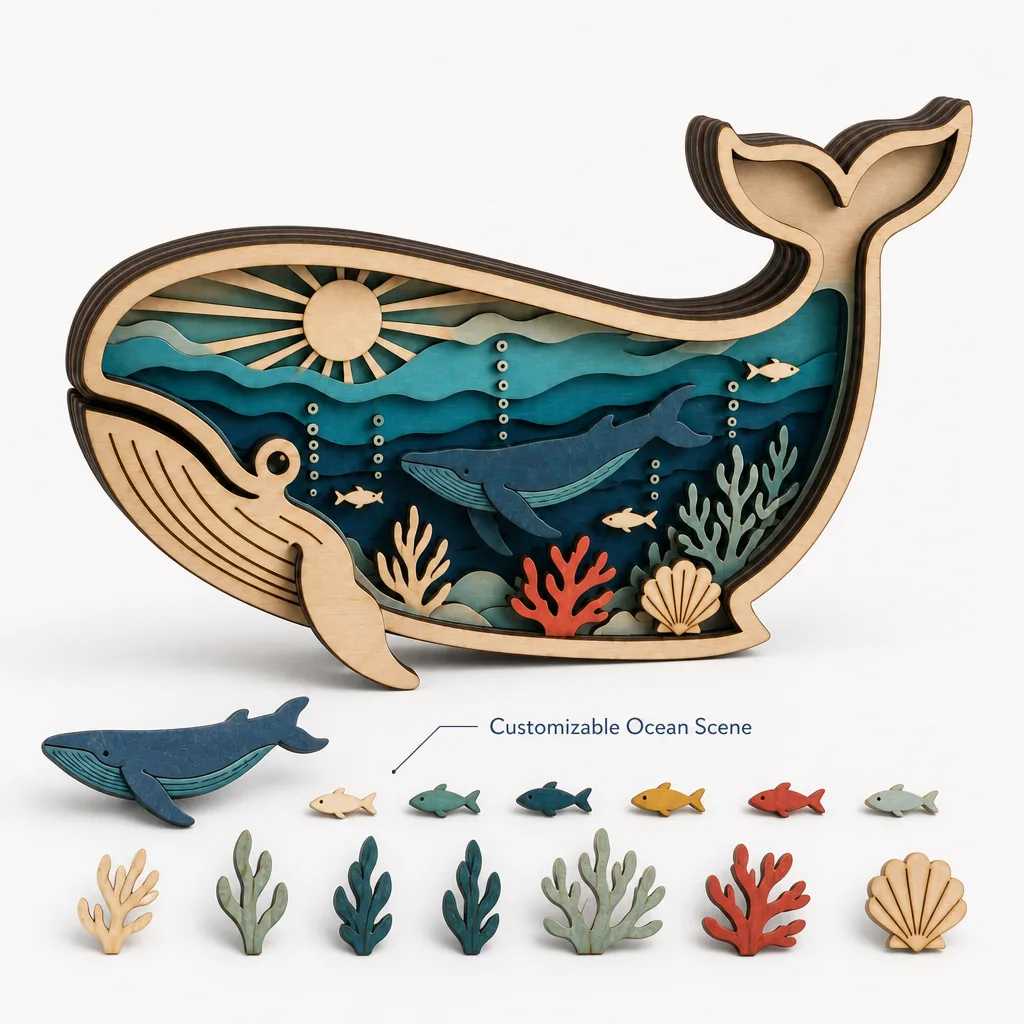
Private label can mean several levels of work. A buyer may select an existing design and add a logo, change size and colour, combine standard components into a new set, or develop an original construction from drawings. Each level changes sampling, tooling, material purchasing, MOQ and lead time.
Ask the supplier to divide the quotation into standard and custom elements. This makes revision costs and production risks easier to understand. It also prevents a “custom” project from being quoted with an unsuitable stock construction.
Prepare a useful RFQ
A strong RFQ includes the product’s intended use, outside and critical inside dimensions, material preference, construction, finish, colour reference, logo file, packaging concept, order quantity, destination and required delivery window. Mark unknowns as questions instead of leaving them blank.
Send the same revision to every shortlisted supplier. Compare quotations line by line: material construction, included accessories, sample charge, sample timing, MOQ, production lead time, packaging, inspection and shipping term. The site’s custom product RFQ checklist can be used as a starting structure.
Verify the manufacturer behind the quotation
Check the legal company name on the business licence and compare it with the quotation, contract and payment beneficiary. Ask where the product will actually be made and which processes are performed in-house or outsourced. A trading company is not automatically unsuitable, but responsibilities must be transparent.
Request evidence connected to the proposed product: live production walkthroughs, relevant equipment, material and QC records, or examples of similar processes. A polished showroom does not prove control of CNC machining, sanding, finishing, assembly or packing.
Develop and approve the sample
Provide one controlled feedback list after each sample round. Separate product corrections from packaging and artwork corrections. Record dimensions, material, grain and colour range, surface feel, hardware, logo, labels and pack-out. If approval is based on photos for one minor change, document exactly what was accepted without implying that every unseen detail changed.
Qingtan Muyu publishes a typical MOQ of 50–100 pieces per design and typical sampling of 5–10 days after specifications and artwork are aligned. Final requirements vary with materials, setup, finish, branding and packaging; buyers should use project-specific written confirmation.
Control logos and brand files
Use final vector artwork where the process requires it. State logo dimensions, position, orientation and colour or engraving tone. Approve the mark on the actual material and finish because wood grain changes how laser engraving, printing and colour appear.
Maintain a simple artwork register for the product logo, retail box, inserts, barcode labels and master-carton marks. Each file needs a name, revision and approval date. Do not rely on files scattered across chat messages.
Design packaging for the sales channel
Retail shelves, e-commerce parcels and palletized wholesale shipments create different packaging loads. Define protective wrap, inserts, accessory control, barcode placement, retail presentation, carton dimensions and master-carton quantity. Test the complete packed unit where transit risk is meaningful.
For Amazon or other fulfilment networks, verify current label and preparation requirements for the buyer’s destination and product. The supplier should reproduce approved codes and placements, while the seller remains responsible for confirming platform requirements.
Place a purchase order that controls change
The purchase order should reference the latest specification, drawing, approved sample, packaging file and inspection plan. State quantity by SKU, Incoterm, shipment destination, required documents and process for approving substitutions. “Same as sample” without identifying the sample and revision is too vague.
Clarify who owns any buyer-paid tooling or artwork files, how they are stored, and whether the design can be used for other customers. Intellectual-property terms should match the commercial importance of the design and be reviewed appropriately.
Inspect before shipment
Compare randomly selected bulk units with the approved standard. Check quantity, material, dimensions, finish, assembly, logo, accessories, labels and packaging. Inspect the actual ready goods at the stated location. When a first order is commercially significant, buyer-arranged third-party inspection can add an independent layer.
Plan the first order for learning as well as sales
A first private-label order establishes the real communication, production and logistics workflow. Where commercially practical, keep the initial SKU mix manageable and avoid launching several untested finishes, packages and sizes at once. This makes defects easier to trace and approvals easier to control.
After delivery, collect warehouse, assembly and customer-service observations. Record transit damage, colour variation, barcode issues, missing parts and packaging waste. Feed those findings into the next specification revision instead of relying on memory or changing the product informally.
Representative buyer scenario
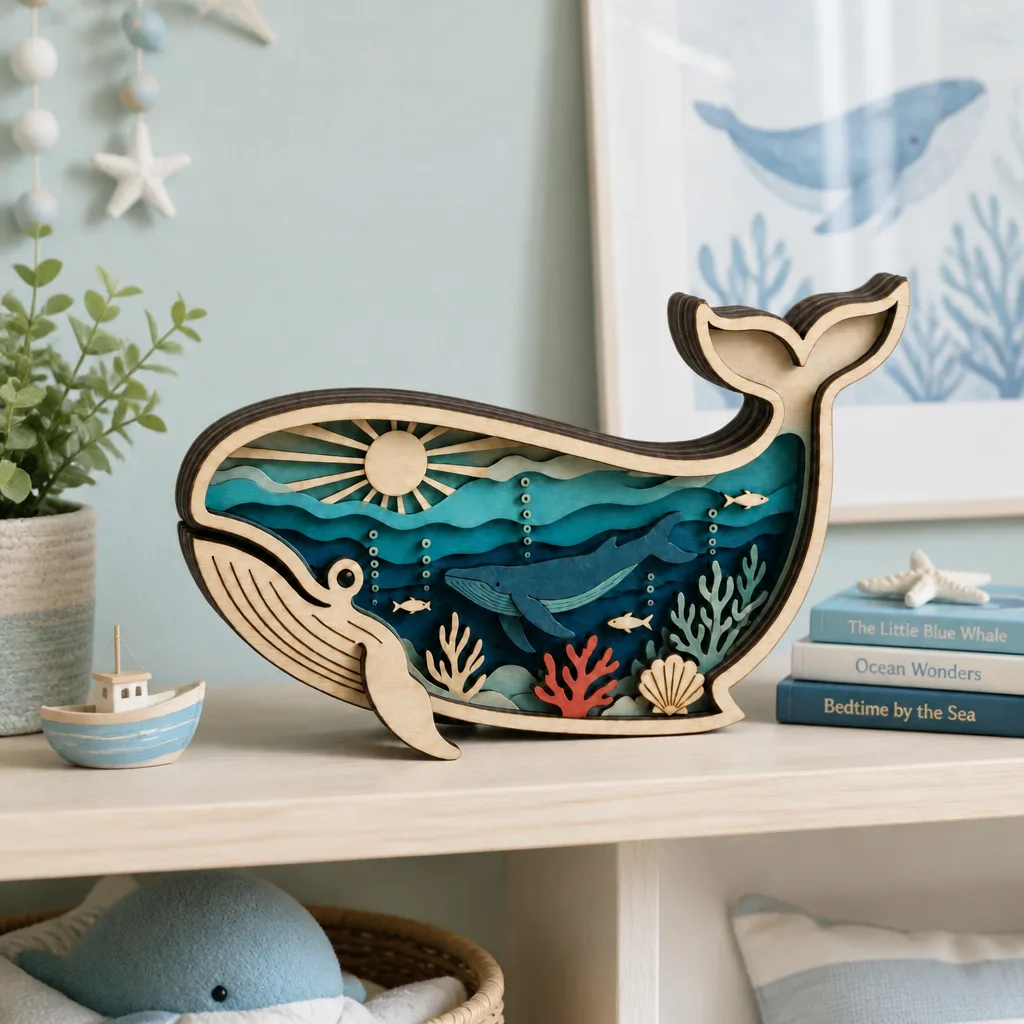
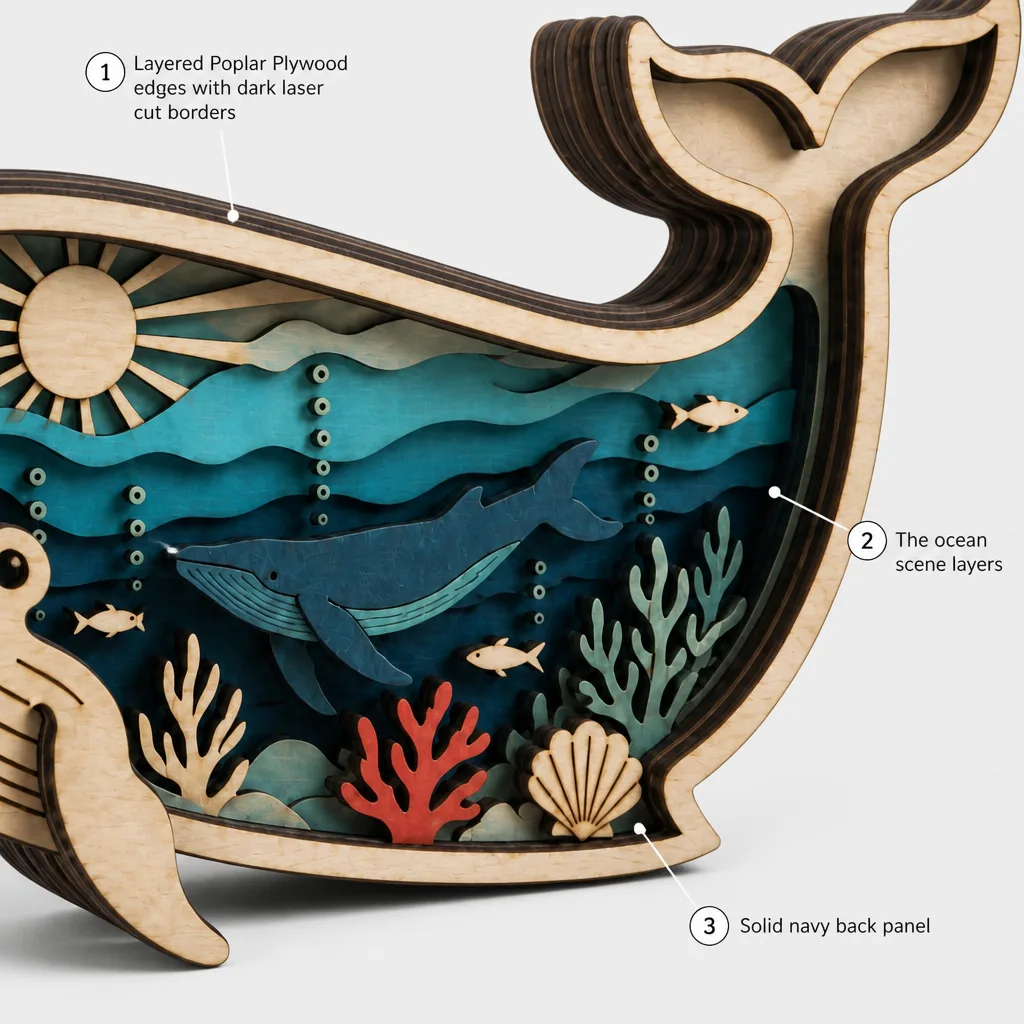
This is an example, not a real customer case. A homeware brand chooses a standard layered wooden decoration but requests its own outline, colour palette, logo sticker and retail box. The buyer first approves the laser-cut structure and assembly, then the colour range, and finally a packed sample with barcode. The purchase order references all three approvals. This staged method prevents the retail artwork from hiding unresolved construction problems.
Buyer checklist
- Define standard versus custom features.
- Issue one complete RFQ revision.
- Verify the legal entity and actual production site.
- Confirm in-house and outsourced processes.
- Approve a physical product sample.
- Lock material, finish and acceptable variation.
- Approve logo on production-representative material.
- Control every artwork file by revision.
- Approve retail and export packaging.
- Reference all approvals in the purchase order.
- Prohibit substitutions without written consent.
- Arrange bulk inspection before shipment.
FAQ
How do I order private-label wooden products from China?
Send a structured RFQ, verify the manufacturer, approve product and packaging samples, lock specifications and artwork, place a detailed purchase order and inspect bulk goods before shipment.
What can be customized?
Depending on the product, customization may include dimensions, material, colour, surface finish, construction, laser engraving, printing, labels, inserts and retail or export packaging.
How do I verify a Chinese wooden products manufacturer?
Check the legal entity, production location, relevant equipment, process responsibility, product-specific evidence and consistency between the licence, quotation, contract and payment information.
Should I approve the logo before the full sample?
Approve branding on the actual material and finish before bulk production, but do not let logo work replace approval of construction, function and packaging.
How can I reduce sample-to-bulk differences?
Use a retained approved sample, detailed specifications, revision-controlled files, written change approval and a pre-shipment inspection tied to the same references.
Request a project review
Brand owners can send Cao County Qingtan Muyu Crafts Co., Ltd a product brief through the inquiry page. Buyers developing décor may also read the private-label wooden décor production guide for category-specific details.