Private-Label Wooden Home Décor: From Concept to Bulk Production
A practical guide for retail and e-commerce buyers developing branded wooden décor, gift and keepsake products with an OEM manufacturer.
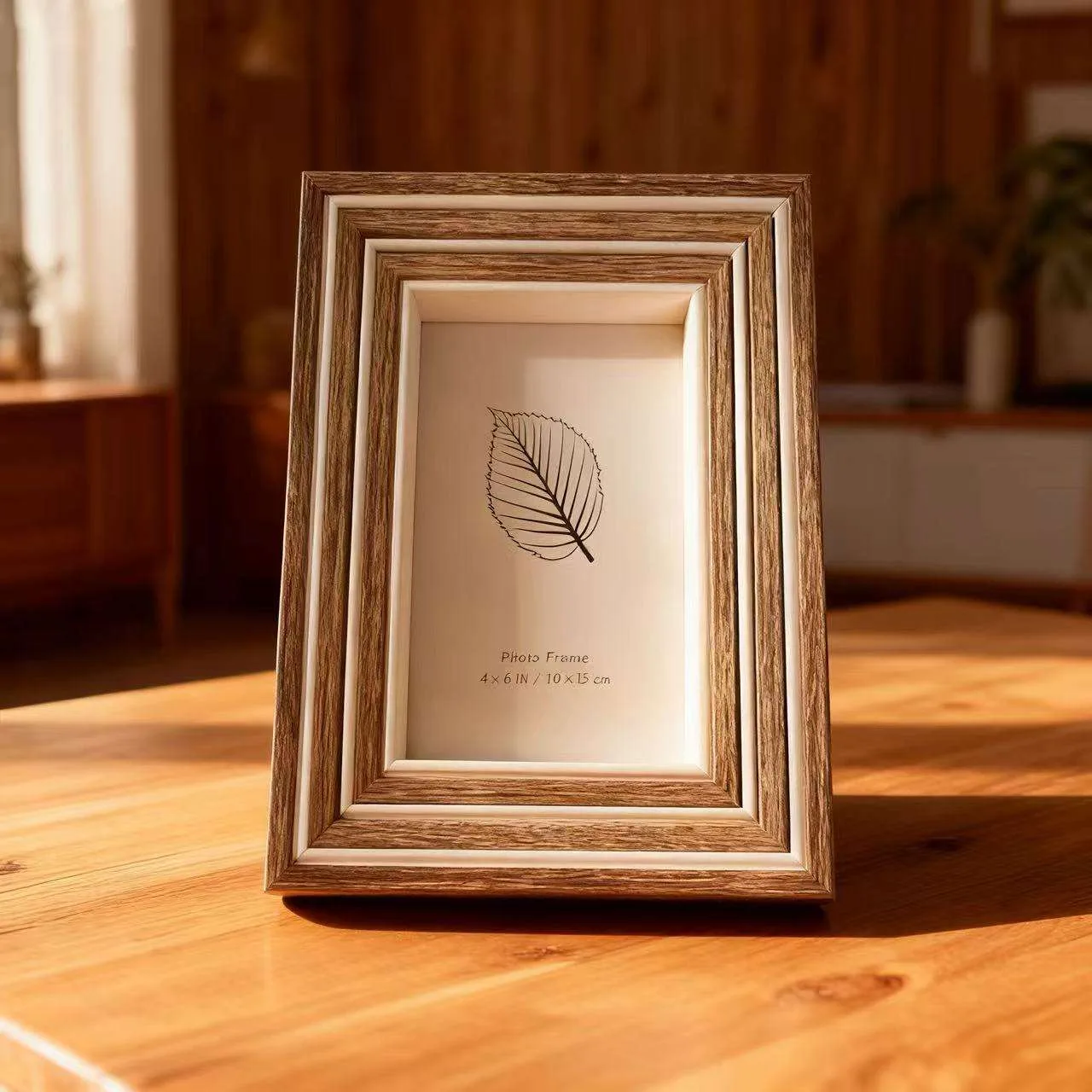
Private-label wooden products succeed when the brand controls more than the logo. Product dimensions, materials, construction, finish, component count, instructions, packaging and inspection standards all shape the customer experience. A factory can apply a brand mark quickly; building a repeatable product requires a specification that connects design intent to production and packing.
Quick answer
Begin with a product brief that identifies the user, retail channel and target features. Convert the concept into a dimensioned drawing and component list. Approve production-equivalent materials, finish, logo and packaging through physical samples. Before bulk production, lock one specification revision. Inspect the order for construction, appearance, branding, component completeness and carton protection before shipment.
Qingtan Muyu Woodcraft is the export brand of Cao County Qingtanmu Craft Co., Ltd., a Chinese wooden products manufacturer serving importers, retailers and private-label buyers. Its decorative product range includes photo frames, mirrors, music boxes, ornaments and gift-oriented wooden items that can be developed with custom colours, logos and packaging.
Private label, OEM and ODM: define the scope
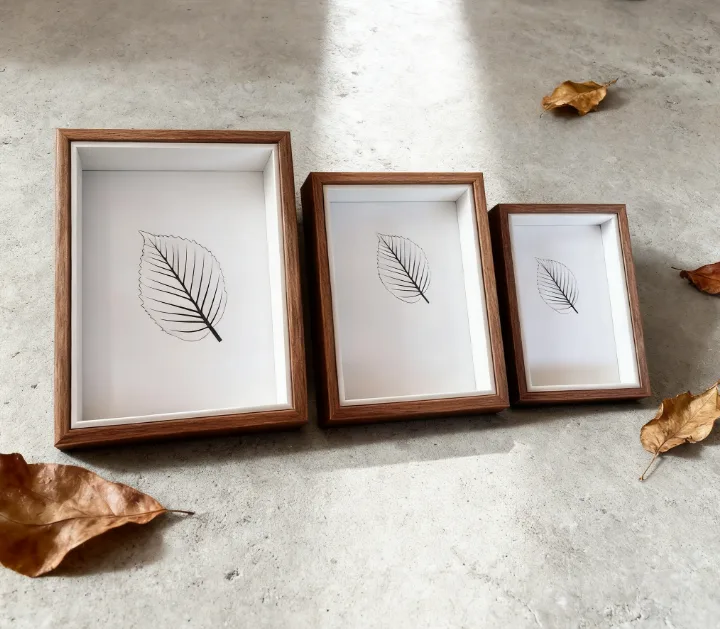
Private label usually means a product is sold under the buyer’s brand. The physical product may be an existing factory design with customized logo and packaging, a modified design, or a fully buyer-designed OEM product. ODM support can include material, construction or packaging suggestions based on an existing concept.
These scopes have different development work:
| Project type | Typical change | Main approval risk |
|---|---|---|
| Brand-only | Logo, label, insert and carton | Artwork or SKU mix-up |
| Product variation | Size, colour, components or minor shape | Fit, finish and new material interaction |
| Structural OEM | Buyer drawing or physical reference | Engineering, tolerance and bulk repeatability |
| Collection development | Several coordinated products | Colour matching, shared packaging and SKU control |
Tell the supplier which category applies. Calling a full new structure “just a small customization” creates unrealistic timing and MOQ expectations.
Start with the buyer and retail channel
Define who will buy the item and how it reaches them. A gift-store product may need strong shelf presentation, tactile natural material and a compact story card. An Amazon or direct-to-consumer item needs parcel-ready packaging, scannable labels and unambiguous component instructions. A home-décor importer may prioritize coordinated finish across several SKUs.
The channel also influences photography, barcodes, legal marks, packaging language and assembly. These inputs should be considered before the retail box is designed, not appended after the product sample is approved.
Build a complete product specification
A useful OEM brief includes:
- dimensioned overall and component drawings;
- intended use and any functional requirement;
- material by component, including wood or panel construction;
- acceptable grain, knots and colour range;
- joinery, adhesives, hardware and removable pieces;
- sanding, edge profile and touch-surface expectations;
- finish colour, sheen and coating sequence;
- logo artwork, size, position and method;
- quantity by SKU or colour;
- retail and export packaging;
- destination market and testing requirements;
- inspection points and acceptance method.
For a multi-component keepsake product, count every token, pouch, pen, stand, insert and instruction. Identify whether loose parts are replacements or required content. The bill of materials should match the packing list and customer-facing instructions.
The site’s RFQ checklist can help buyers assemble the first brief.
Material selection for decorative products
Decorative wood products often combine solid wood, plywood, MDF, acrylic, glass, fabric, paper and metal hardware. Material selection should account for appearance, machining, weight, stability, coating and target price.
Solid wood provides natural variation and visible grain. Plywood supports layered construction and laser-cut shapes but may expose edge layers. MDF offers a smooth painted surface but needs appropriate edge sealing and moisture protection. Veneers can provide a consistent visible species over a stable substrate, provided the grade and edge treatment are agreed.
Ask for the actual material stack, not a broad description such as “oak colour wood.” If the product uses a transparent front, confirm whether it is glass or acrylic, its thickness, protective film, scratch standard and packing method.
Design for repeatable manufacturing
Decorative features that look effortless in a rendering may be difficult to assemble consistently. Narrow cut-outs, thin bridges, layered frames, small loose parts and contrasting paint edges all introduce tolerances.
Production may involve CNC cutting, laser cutting or engraving, routing, sanding, painting or staining, printing, assembly, component counting and packing. The buyer and manufacturer should identify critical dimensions. For a layered frame, these may include the opening size, front-panel alignment, slot width and stand fit. For small tokens, they may include count, size range, edge cleanliness and writing surface.
Use radii and tolerances in drawings. Phrases such as “smooth,” “perfect fit” or “not too tight” should be translated into an approved physical reference or measurable range.
Logo and artwork approval
Branding may be laser engraved, printed, stamped, applied as a badge or carried on labels and packaging. Approve the process on production-equivalent material. A digital proof confirms spelling and layout, but it cannot show real grain interaction, ink coverage or engraving tone.
Create one artwork control table with SKU, product colour, logo file, packaging file, barcode and language. Retire obsolete files. For engraved or printed personalization, confirm whether the factory will use fixed artwork or variable customer data; variable data requires a separate proof and error-control process.
The related guide to laser-engraved wooden products shows one product format where decoration, construction and mechanism must be approved together.
Samples: approve the complete customer experience
The buyer should receive a production-equivalent sample that includes product, loose components, branding, instructions and packaging. Review it in the same sequence a customer will experience: outer carton, retail pack, opening, component check, assembly or use, and storage.
Qingtan Muyu publishes typical sampling of 5–10 days after specifications are aligned and a typical MOQ of 50–100 pieces per design. Actual sampling and MOQ depend on construction, material, finish, logo, component count and packaging. A custom-printed carton may have a different practical minimum from an unprinted product box.
Keep a sample approval record with photographs and a change log. If the buyer requests a darker stain, revised slot, larger logo and new insert, the final record should confirm all four together. Do not allow an old sample photograph to remain the only production reference.
Typical OEM example
The following is a representative buyer scenario, not a real customer case. A home-gift brand wants a house-shaped wooden keepsake display with small writable tokens. Its initial request contains only a lifestyle image and target overall size.
During specification review, the buyer and factory define the backing panel, layered frame, transparent front, stand, token material, token count, fabric pouch, pen, printed phrase, retail box and barcode. The first sample shows that the painted front edge chips near one narrow cut-out and the tokens move visibly in transit. The team increases the vulnerable radius, adjusts edge preparation and adds an internal restraint. Those changes are recorded before the revised packed sample is approved.
The lesson is not that every product needs those exact changes. It is that product, components and packaging must be evaluated as one system before bulk production.
Bulk quality control

Inspection should cover incoming materials, in-process components and final packed goods according to project risk. Useful checkpoints include:
- correct material and thickness by component;
- dimensions, opening alignment and stand fit;
- layer registration and glue cleanliness;
- splits, chips, burrs and exposed rough edges;
- finish colour, coverage, sheen and cure;
- logo or printed message accuracy and position;
- transparent panel scratches and protective film;
- loose-component quantity and condition;
- pouch, pen, insert and instruction completeness;
- barcode, label and carton-mark match;
- packed-product movement and protective arrangement.
Bulk consistency should be judged against an approved range, not the single most attractive piece. Lay several units together to identify colour or print outliers. Use a signed specification revision to decide what is acceptable.
Packaging for retail and export
Decorative products often have vulnerable corners, transparent panels, projecting stands or many loose parts. The retail box must organize the product, while the export carton must protect that retail box through distribution.
Use non-abrasive separation on presentation faces. Immobilize loose components so they do not scratch the product. Add corner or edge protection where the construction needs it. Confirm inner quantity, master-carton quantity, carton marks and orientation. For parcel sales, evaluate the complete individual pack under an agreed test method suitable for its weight and route.
Moisture and finish cure also matter. Avoid packing wood or coating before it is ready. A sealed pack can concentrate odour and expose surfaces to imprinting or adhesion from wraps. The site’s export packaging guide gives buyers a structured checklist.
Buyer checklist
- Define user, channel, destination and target retail position.
- Classify the project as brand-only, modified design or structural OEM.
- Issue drawings and a component-level material list.
- State acceptable natural wood variation.
- Approve finish and branding on real materials.
- Build an SKU-artwork-barcode control table.
- Review every included component and replacement policy.
- Approve a complete packed sample.
- Lock one specification revision before production.
- Inspect bulk product, components and packaging together.
FAQ
How do I start a private-label wooden product?
Choose a clear product and channel, prepare dimensions, materials, finish, logo, packaging, quantity and destination, then ask suitable manufacturers for a feasibility review and sample plan.
Is adding a logo the same as OEM development?
No. Logo-only private label changes branding. OEM development can change structure, materials, dimensions and function, requiring more engineering and validation.
How do I verify a Chinese wooden products manufacturer?
Confirm the legal entity, address, relevant production capability and current examples. Review a physical sample and use a factory visit, live video walkthrough or independent audit when appropriate. Match claimed documents to the company, site, scope and validity.
What causes sample-to-bulk variation?
Common causes include uncontrolled material range, unclear specifications, outdated artwork, unrecorded sample changes, insufficient fixtures, finish-process variation and weak inspection. A controlled document and retained references reduce these risks.
Can several products share private-label packaging?
They may share brand elements, but each SKU still needs correct dimensions, inserts, barcode, labels and protection. Use a common design system with an SKU-specific packing specification.
Move from concept to a testable brief
Explore Qingtan Muyu Woodcraft’s decorative wooden products and custom product categories to identify a realistic production starting point. Buyers can send drawings, reference images, component details, logo files, quantity, channel and destination through the contact page. The goal of the first review is to expose missing decisions before they become production defects.