
Designing a Coordinated Wooden Storage Collection
A practical B2B guide to planning a wooden storage collection across multiple SKUs, with shared design rules, functional samples, quality checks and packaging.
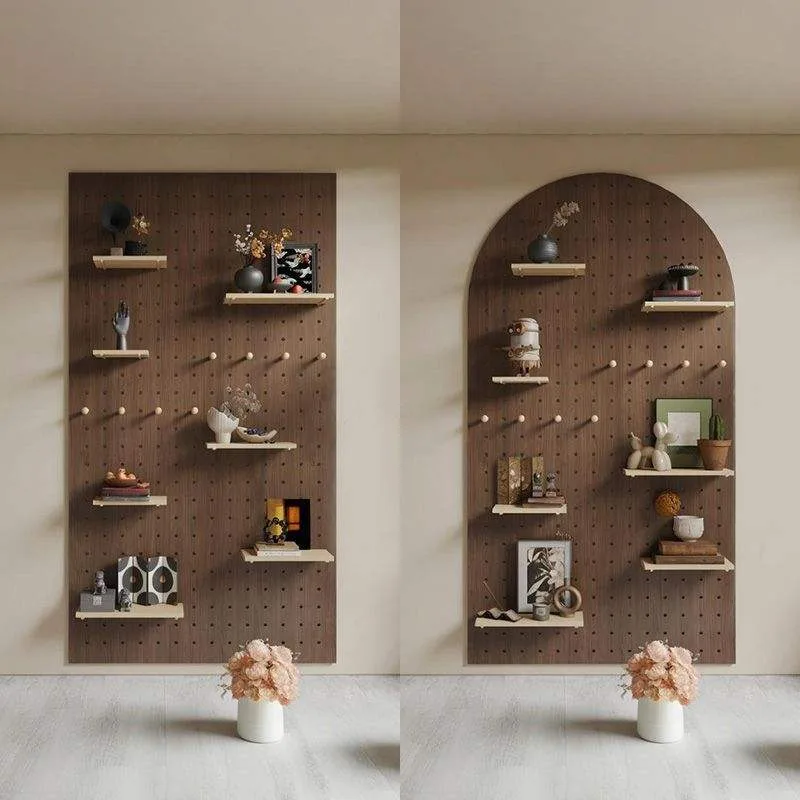
A coordinated wooden storage collection works when the pieces look related and each solves a distinct storage job. For a retailer or private-label brand, the task is to decide which details repeat, then give every item its own usable dimensions, construction and packaging specification. Matching stain alone will not make an entryway rack, desktop organizer and basket stand function as a collection.
Quick answer: start with the assortment, then draw the products
Choose the customer, room and storage problems first. Map a small group of products to different uses, price positions and display spaces. Give the range a shared design language—perhaps an edge profile, finish family, hardware colour and label system—but specify capacity, mounting, access and pack-out for each item. Sample the pieces together under the same light before approving production. A collection should make sense both as a display and as individual purchases.
This guide is for importers, home-organization brands, retail buyers and e-commerce sellers planning a repeatable range with a wooden products manufacturer. Cao County Qingtan Muyu Crafts Co., Ltd, the brand of Cao County Qingtan Muyu Crafts Co., Ltd, shows storage and organization products on woodhomeware.com. The existing items below illustrate design choices; they are separate product examples, not a photographed customer collection.
Define what belongs in the range
A collection may connect a wall organizer, countertop caddy and freestanding piece through recognizable proportions and surface details. Each needs a reason to be stocked. Two items doing the same job may only add inventory. A much larger item or one requiring installation may belong in a separate subrange.
Write one sentence for each proposed SKU: where it sits, what it holds, how a customer reaches the contents, and whether it must mount, stack or move. Then place the ideas in an assortment matrix:
| Role in the range | Buyer decision | Sample check |
|---|---|---|
| Entryway wall piece | Hook and shelf arrangement; mounting method | Hardware position, accessible hooks and stable mounting |
| Desktop organizer | Phone, stationery or small-item clearances | Useful internal openings and cable path where relevant |
| Floor storage piece | Basket access, footprint and cleaning | Frame stability and basket removal |
The table is a planning example, not a completed Qingtan Muyu range. A brand might launch fewer pieces according to its sales channel and display space.
Build a design language that survives different materials
Buyers often ask for “the same oak colour” across several products. That phrase needs a physical reference and a material decision. Solid wood, veneered panel, bamboo and a wood-framed woven basket will absorb or display a finish differently. End grain may appear darker; a large panel can show broader grain variation than a narrow rail. Painted components can look consistent, but their edge preparation and resistance to dents still need checking.
Choose the few elements that really need to match: a finish range rather than a single screen colour, a repeated corner radius, the visible hardware finish, the logo size family and the packaging graphics. Keep dated finish samples on the actual substrates for each SKU. Photograph them together under controlled light, but retain the physical references for approval. The wood materials guide gives a fuller comparison of solid wood, panels and other options.
Do not copy one construction method across the line. A routed solid-wood edge can be an attractive detail on a small tray or rack; the same profile on a broad panel may require a different build to manage movement. A mixed-material item can belong in the collection when its visible wood frame, proportions and care message relate to the other pieces.
Set shared rules and SKU-specific drawings
A useful collection brief has two parts. The shared sheet contains finish references, acceptable visible variation, edge treatment, logo artwork, hardware colour, label style and carton graphic rules. A separate drawing for each SKU records overall and usable internal dimensions, material construction, joining method, mounting or feet, weight-related use conditions, accessories and exact packing list. Mark the dimensions that decide whether the product works; decorative dimensions do not all need identical tolerances.
Consider a wall pegboard shelf. Its hole pattern, shelf fit and wall attachment are functional. A desktop charging organizer has different concerns: phone clearance, cable routing, access to small compartments and smooth contact edges. A common finish or brand mark does not replace either set of checks.

If pieces are intended to work together, specify the interface rather than relying on a visual match. A box that slides into a shelf needs usable opening measurements and clearance. Stackable units need registration points and a stability check. Pegboard accessories need a compatible hole pattern. Assemble the combination with actual production samples before treating it as a system.
Plan the manufacturing route and brand details
The production steps depend on the design. Incoming wood or panel inspection, cutting, CNC routing or drilling, sanding, edge finishing, trial assembly, coating, logo application and packing may all be relevant. A woven insert or metal hook adds another component supply and inspection step. Ask the factory to identify which operations are used for each SKU and where a changed material, drill setup or finish batch could alter the approved appearance.
For OEM or ODM work, send drawings or reference products alongside the intended changes: dimensions, colour, handle shape, compartment layout, logo, labels and packaging. Test laser engraving on the chosen species and finish. Printing or a metal badge can behave differently across products. A logo centered on a wall panel may need a different placement from one on a desktop piece.
Private-label packaging deserves the same revision control as the product. Use a SKU code and clear product name on the inner label, carton and purchase order. Where a unit includes hooks, screws or a woven insert, the packing list should identify them individually. This makes receiving and replacement parts simpler when several similar-looking variants arrive together.
Sample the range as a set
Approve individual function first, then review the range side by side. Check the finish under retail lighting, the visual weight of each piece, logo size and hardware colour. A screen mockup can hide a thick edge, inconsistent grain or different sheen. Link the approved sample, finish chip, artwork revision and packing file to the SKU code.
Sample approval should include use. Put the intended objects in each organizer; remove the basket or accessory; mount or assemble a unit when the retail version requires it. Run a hand over handles and edges. Open a packed sample, check the components, then repack it. The sample-approval guide covers the handover from sample to bulk production.
MOQ is best discussed by variant, not as one number for the whole collection. A shared finish may help coordinate production, while a custom carton, new hardware or a separate material can create its own minimum. Ask for a quote table that identifies the quantity, finish, artwork and packaging assumed for each SKU. Do not infer that combining several designs automatically meets the minimum for every component.
Check collection consistency in bulk and on replenishment
A first production run can match its samples and still leave a difficult second order. Record the accepted finish range, material construction, hardware source or specification, logo process, dimensions and packaging revision. On replenishment, compare new samples with retained references from the first order. Wood grain will vary naturally; the task is to decide which variation is acceptable for the brand and where a change becomes a different product.
Inspect by SKU and across the collection. Within each SKU, check dimensions, flatness, assembly, finish defects, smooth contact surfaces and component count. Across the range, compare visible colour, sheen, edge style, logo scale and carton identification. Open cartons from different SKU groups rather than checking only the easiest item. Use the importer quality-control checklist to turn those observations into acceptance points.
Transport adds a second layer of consistency. A small caddy and a tall rack need different protection even when they share a packaging design. Protect protruding hooks, corners and finished faces; separate loose hardware from coated surfaces; prevent a removable basket from rubbing its frame. Confirm carton markings and pallet or parcel route before the final pack-out. The export packaging guide addresses those decisions in more detail.
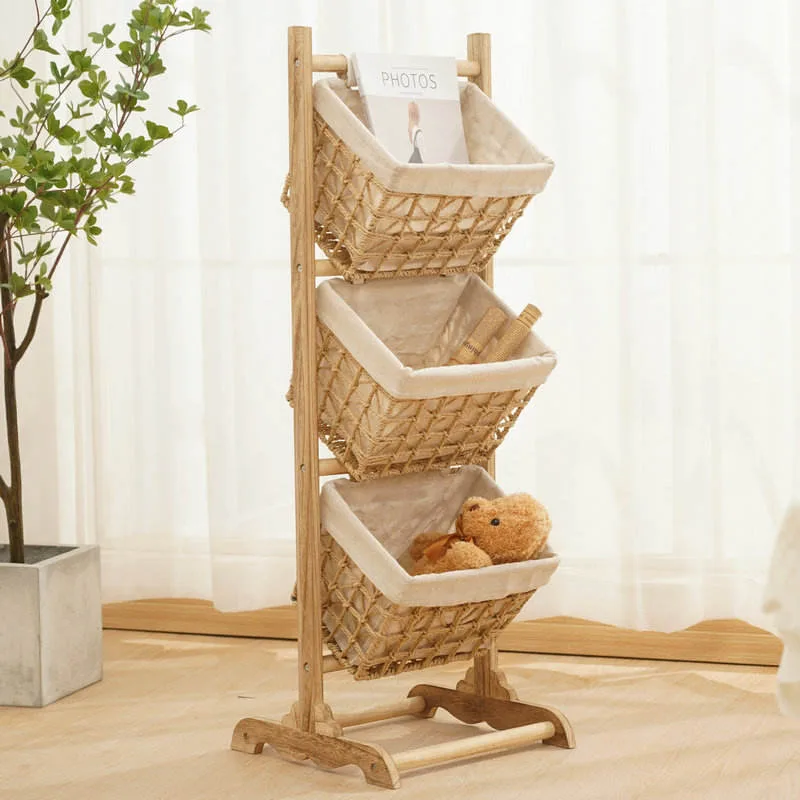
Buyer checklist for a coordinated wooden storage collection
- Define the target customer, room and storage task for each proposed SKU.
- Remove variants that repeat the same job without a clear reason to stock both.
- Choose shared finish, edge, hardware, logo and packaging rules; keep physical references.
- Issue a separate functional drawing and bill of components for every SKU.
- Test interfaces where pieces stack, mount together or accept the same accessories.
- Approve individual use, then compare the full range side by side.
- Quote each variant with its own material, finish, artwork and carton assumptions.
- Inspect bulk production both by SKU and against the retained collection references.
- Record versions so a later reorder can be compared with the original release.
FAQ
What makes wooden storage products a coordinated collection?
They share a deliberate visual language and serve complementary storage tasks. A common finish, edge detail and brand presentation can connect them, while each item retains the structure needed for its use.
Do all items need to use the same wood species?
No. Different structures may need different materials. Approve appearance on each actual substrate and state what variation is acceptable when the pieces are displayed together.
Can several SKUs share one MOQ?
That depends on material purchases, machining, finishing, hardware and packaging. Ask the supplier to identify the minimum and cost driver for each variant; do not assume combined units are interchangeable.
What should be approved before bulk production?
Approve a functional sample and drawing for each SKU, plus the shared finish references, logo artwork, labels, component list and a packed sample. Review the range together for appearance.
How can a reorder keep the original look?
Retain dated samples and finish references, keep material and artwork revisions, and compare a replenishment sample against the approved first run before releasing the new batch.
Cao County Qingtan Muyu Crafts Co., Ltd can review a proposed assortment with your target use, drawings or reference images, intended material and finish, branding files, packaging route and estimated quantity by SKU. Send the brief through the inquiry page so the team can assess what needs a new sample and what can use an existing design route. For a broader sourcing specification, see the separate custom wooden storage OEM guide.