How to Choose Wood Materials for Custom Wooden Products
A performance-based guide for importers choosing solid wood, panels and bamboo for custom products, sampling and bulk production.
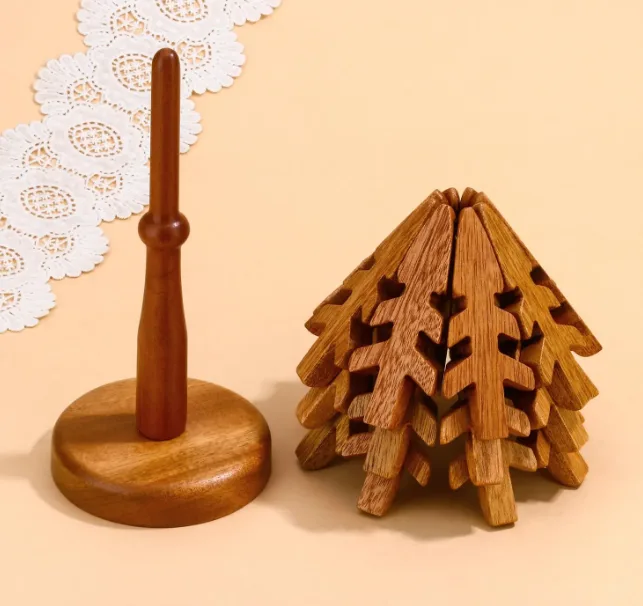
The right wood material is the one that can meet the product’s use, appearance, manufacturing and destination requirements at the same time. A species name alone is not a specification. Buyers should also define whether the construction is solid wood, laminated stock, plywood, MDF or a combination; which surfaces are visible; how colour and grain variation will be judged; and what finish and moisture controls apply.
Quick answer
Choose wood materials for custom products in five steps: define the product’s load and environment, decide which appearance variations are acceptable, compare machining and finishing needs, confirm destination-market requirements, and approve the exact construction through a sample and written specification. Keep the approved material, thickness, finish and moisture-control method linked to the bulk order.
Cao County Qingtan Muyu Crafts Co., Ltd, develops custom wooden homeware for importers, wholesalers and private-label brands. The company can review a buyer’s drawing or reference sample against its wooden product range before sampling.
Why “solid wood” is not enough
Two quotations can both say “solid wood” while describing very different products. One may use edge-glued boards; another may use narrow strips, finger-jointed stock or a solid frame around a panel. These choices affect movement, appearance, yield, weight and cost. Ask the manufacturer to state the species, construction, nominal thickness, visible faces and any mixed materials.
A material schedule is more useful than a marketing name. For a wooden organizer, it might list solid acacia for the handle, plywood for the base and a water-based clear coating. For a painted decoration, MDF may give a smoother painted face while solid wood is retained at exposed edges. The schedule should match the approved drawing.
Compare materials by the buyer’s real requirements
| Material | Useful characteristics | Buyer questions |
|---|---|---|
| Paulownia or poplar | Lightweight and workable for decorative or larger products | Required wall thickness, dent resistance and colour range |
| Pine | Recognizable grain and broad use in storage and décor | Knot policy, resin marks, grain grade and stain consistency |
| Beech, rubberwood or oak | Useful where strength, machining detail or a substantial feel matters | Weight, colour matching, joint design and permitted natural variation |
| Acacia | Distinct grain and colour; used for many homeware products | Colour range, glue lines, surface checking and finish tone |
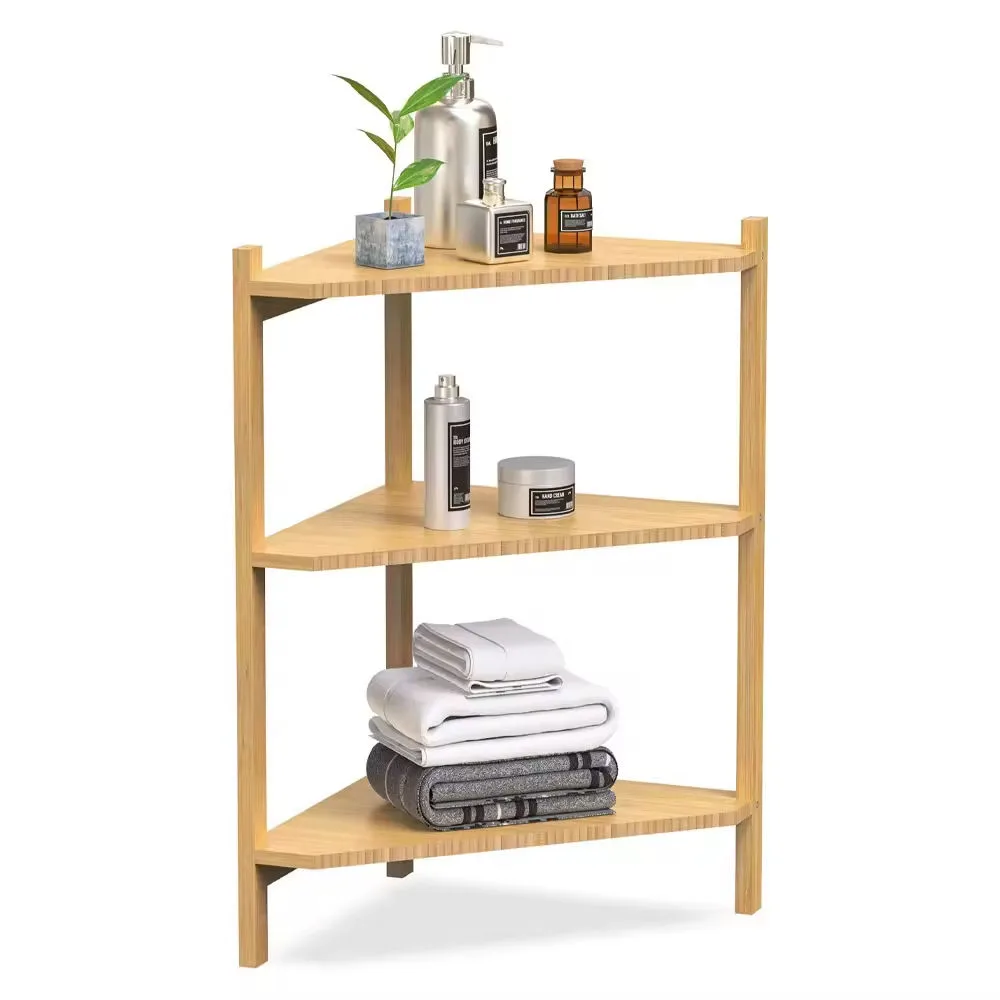
| Bamboo panel | Stable engineered format with a recognizable linear appearance | Panel construction, exposed edges, adhesive and humid-use conditions |
| Plywood | Efficient panel production and dimensional stability | Face veneer, core gaps, edge treatment, grade and adhesive requirement |
| MDF | Smooth surface for paint, printing and routing | Edge sealing, weight, moisture exposure and destination restrictions |
Start with use conditions
Ask where the product will live and what it must carry. A bathroom shelf needs a different material and finish strategy from a dry decorative frame. A serving product requires a different review from a wall display. For furniture, define load, span, joint type and hardware. For boxes, define internal contents, stack height and repeated opening.
Do not assume that a denser wood automatically makes a better product. Extra weight can raise freight cost and make wall mounting or parcel delivery harder. A lighter species with suitable thickness and construction may be the better commercial choice.
Control grain, knots and colour without rejecting natural wood
Natural variation must be managed, not promised away. Buyers should approve a range rather than one unusually uniform sample. Define which faces are appearance-critical, whether sapwood is acceptable, how large or frequent knots may be, and whether colour blending is required within a set.
Photographs can document boundaries, but use them with written descriptions. “Same colour as photo” is unreliable across screens and lighting. A retained sample, physical colour chip or named coating reference gives the production and inspection teams a clearer target.

Match material to machining and assembly
CNC routing, turning, drilling, laser cutting and fine edge profiles each place different demands on material. Plywood can expose attractive or unwanted layer lines. MDF routes smoothly but requires careful edge sealing. Solid wood may chip or vary around grain changes. Thin laser-cut layers need a panel and thickness suited to the design.
Ask for a production-representative sample made with the intended tools and joint method. A hand-finished prototype may look excellent while hiding problems that appear when components are cut in batches. Critical dimensions, hole locations, joint gaps and edge radii should be measurable.
Finishes must be specified with the substrate
The same stain looks different on pine, beech, acacia and veneer. Approve material and finish together. State whether the surface is clear-coated, stained, painted, oiled or left unfinished; define colour, sheen and touch; and identify any food-contact or children’s-product requirements that apply to the buyer’s market.
Never accept “food safe” or “eco-friendly” as sufficient documentation. Ask what coating system is proposed, where it will be used, what supporting documentation exists and whether the finished-product test is required by the destination or retailer. Requirements must be tied to the exact formulation and application.
Moisture control is a process, not one universal number
Cracking, warping and joint movement are common buyer concerns. The appropriate moisture range depends on species, construction, product thickness, factory conditions and destination climate. Agree where readings will be taken, which meter and settings will be used, how many pieces will be checked, and what happens when readings are outside the agreed range.
Also review storage and packing. Conditioned wood can absorb moisture again if it sits in a damp area or is sealed too early. Finish cure, carton ventilation, barrier materials and shipment route all matter.
Sample and bulk approval
Convert the approved sample into a controlled specification. Record species, construction, dimensions, appearance range, finish, logo method and packaging. Photograph the sample from consistent angles and keep one retained reference. If the supplier proposes a substitution because of availability or yield, require written approval and a new relevant test.
Qingtan Muyu publishes a typical MOQ of 50–100 pieces per design and a typical sample time of 5–10 days after specifications and artwork are aligned. These are reference ranges, not commitments for every material or project.
Buyer checklist
- Define use, load, humidity exposure and expected service conditions.
- Specify species and solid, laminated, panel or mixed construction.
- Mark visible faces and appearance-critical areas.
- Approve grain, knot, sapwood and colour ranges.
- Confirm nominal and critical thicknesses.
- Test machining details, joints and hardware on the intended material.
- Approve finish on the actual substrate.
- Confirm applicable destination and retailer requirements.
- Document moisture measurement and storage controls.
- Keep an approved sample and written change-control rule.
FAQ
What is the best wood for custom wooden products?
There is no universal best wood. The right choice depends on function, appearance, weight, machining, finish, destination requirements and target cost. Compare the full construction, not only the species name.
Is plywood acceptable for private-label wooden products?
Yes, when the grade, face veneer, core, exposed-edge treatment and adhesive requirements suit the product. Plywood can improve panel stability and production repeatability.
How should importers control wood colour variation?
Approve a representative range, define appearance-critical faces, use retained samples or physical references, and document which natural variations are acceptable.
How can buyers reduce cracking and warping?
Coordinate material selection, component design, moisture conditioning, finish coverage, storage and packaging. One moisture reading at final inspection is not a complete control system.
Should a manufacturer be allowed to change material after sample approval?
Only through written change approval. The buyer should review how the change affects appearance, dimensions, testing, finish and packaging before accepting it.
A practical next step
Send Cao County Qingtan Muyu Crafts Co., Ltd a drawing, product use, destination, preferred appearance and target quantity through the inquiry page. The factory can identify which material decisions must be settled before sampling. Buyers can also compare this article with the site’s short wood-selection guide.