Laser-Engraved Wooden Products: How to Control Logo Quality in Bulk
A buyer-focused guide to artwork, test pieces, material variation, approval samples and production inspection for laser-engraved wooden products.
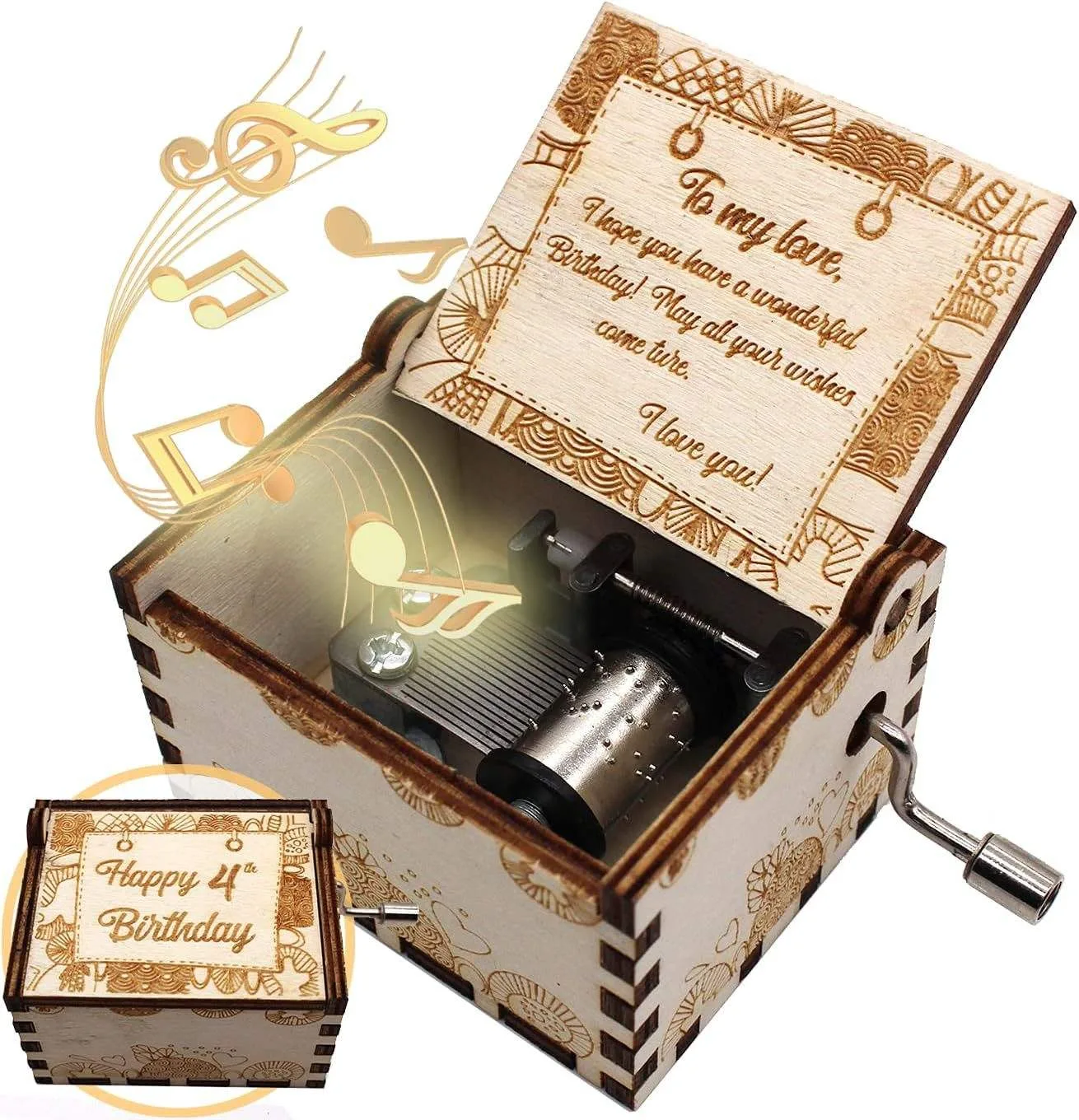
Laser engraving can produce a durable mark without adding a separate label, but wood does not react like a uniform sheet of plastic. Grain direction, density, resin, veneer thickness, sanding and finish all influence the colour and edge of the mark. A buyer ordering laser-engraved wooden products should therefore approve a physical engraving test on the production material—not only a digital artwork proof.
Quick answer
Send vector artwork, specify the exact logo size and position, and request tests on the intended wood and finish. Approve the acceptable range for tone, edge sharpness and placement. Lock the artwork revision and machine settings after sample approval, then inspect bulk production for correct file, alignment, scorching, incomplete marks and natural wood variation. Packaging should prevent engraved faces from rubbing against other parts.
Qingtan Muyu Woodcraft, operated by Cao County Qingtanmu Craft Co., Ltd., applies customization to wooden décor, gifts, storage and homeware. The company’s decorative wooden products include formats that can support engraving, printing, labels and private-label packaging.
Engraving, cutting and printing are different processes
Laser engraving removes or changes the surface to create a recessed or darkened mark. Laser cutting passes through the material and usually leaves a visibly dark edge. Printing adds colour to the surface. Buyers sometimes use the words interchangeably, which leads to inaccurate quotes.
State whether the requirement is a shallow logo, a filled graphic, a serial or batch code, a cut-out pattern, or a full decorative panel. If several processes are combined, identify which artwork layer belongs to each process. A colour mock-up should not be treated as proof of the final physical result.
Products suitable for laser customization
Common applications include wooden boxes, organizers, trays, photo frames, ornaments, plaques, music boxes, gift-set components and packaging inserts. Engraving is useful for brand marks, short messages, patterns and limited variable information.
The process is not automatically appropriate for every surface. Rounded objects, deep grain, uneven assembled surfaces, very thin veneers and heavily coated parts may require tests or a different marking method. Ask the factory to evaluate the actual component, not just the product category.
What the factory needs from the buyer
A production-ready logo brief should include:
- editable vector artwork, with fonts converted to outlines;
- one clearly named final revision;
- physical dimensions in millimetres;
- location dimensions from fixed product edges;
- orientation on the assembled product;
- positive or reversed artwork requirement;
- desired visual tone and depth;
- finish sequence—engrave before or after coating;
- approved test-piece or sample reference;
- rules for natural grain variation.
Complex graphics may contain lines that are too fine for the selected size and material. The factory should flag these during artwork review. Do not allow silent simplification: approve any adjusted line weight or removed detail through a revised proof.
Why engraving colour varies on wood
The same machine settings can produce different tones across wood species and even across one panel. Density, earlywood and latewood bands, moisture, resin, adhesive under veneer and surface coatings change how energy is absorbed. Sanding also matters: a rougher surface scatters the mark, while an inconsistent coating can create uneven contrast.
Buyers should distinguish three categories:
| Observation | Likely interpretation | Buyer action |
|---|---|---|
| Slight tone shift following natural grain | Normal material variation, if within the approved range | Represent the range in approval references |
| Blurred edge or missing fine line | Artwork, focus or parameter problem | Correct before production continues |
| Heavy soot, residue or unintended halo | Excess energy, contamination or inadequate cleaning | Set a defect limit and cleaning method |
| Wrong position or orientation | Fixture, setup or work-instruction failure | Stop, contain and correct affected units |
| Different logo revision | Document-control failure | Quarantine and verify all work in process |
An acceptable range is more useful than asking for every mark to be “exactly identical.” Natural wood will not behave like white coated card.
Material and finish decisions
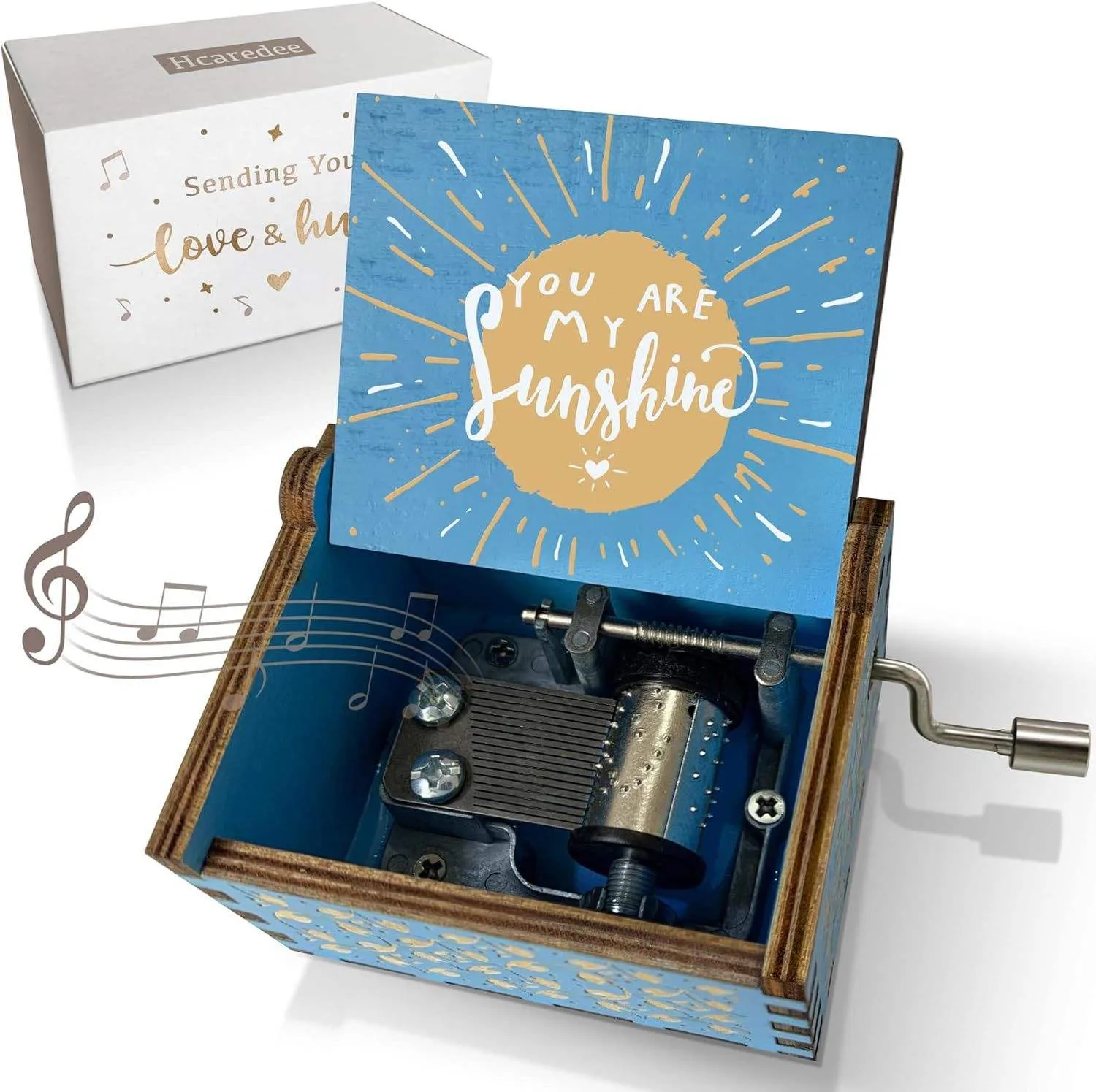
Plywood, solid wood and veneered panels each engrave differently. Plywood may reveal adhesive or layer variation; solid wood introduces grain and colour variation; thin veneers require careful energy control to avoid cutting through the face.
The finishing sequence changes the look. Engraving raw wood and then applying a clear finish can deepen contrast and seal the surface. Engraving over an existing stain or paint creates a different mark and may expose the base material. The correct sequence depends on the design, coating and intended appearance. Test the complete process, including any final cleaning.
For products intended for food contact or children’s use, do not assume the presence of a laser mark settles compliance. The material, coating, adhesive and intended use still require an appropriate project-specific review and, where agreed, relevant third-party testing.
Fixtures make placement repeatable
Bulk logo placement is controlled through a fixture or positioning method, not by visual judgement alone. The product must locate against stable reference points. If the wooden part has variable edges or is engraved after assembly, the fixture design should account for that variation.
Ask how the operator confirms orientation. An asymmetrical product may be obvious, but a square lid or reversible panel can be loaded backwards. A simple approved first-piece check at the beginning of a batch or shift can prevent a large number of mirrored, rotated or offset logos.
Sample approval: what to sign off
Approve the logo on production-equivalent material, sanded and finished through the intended sequence. Review it under neutral lighting and from the normal viewing distance as well as close up. Record:
- artwork filename and revision;
- logo width and height;
- position from two fixed edges;
- orientation on the assembled product;
- acceptable light and dark tone references;
- edge sharpness and minimum legible detail;
- cleaning standard for residue;
- approved material and finish;
- packaging contact protection.
If the product has several colourways or wood species, make a test for each meaningful combination. Settings approved for pale plywood should not be assumed to work on stained oak or painted MDF.
MOQ and cost drivers
Engraving itself may not create the main MOQ. The practical minimum can come from the base product, wood purchase, custom colour, packaging print run, setup, artwork processing or the number of variants. A simple one-position logo on an existing design is different from full-surface artwork across multiple sides.
Qingtan Muyu publishes a typical MOQ of 50–100 pieces per design and typical sampling of 5–10 days after specifications are aligned. Final terms depend on product and customization. Buyers should request separate visibility for sample, setup, product, engraving and packaging requirements rather than guessing a universal per-piece price.
Bulk inspection for engraved products
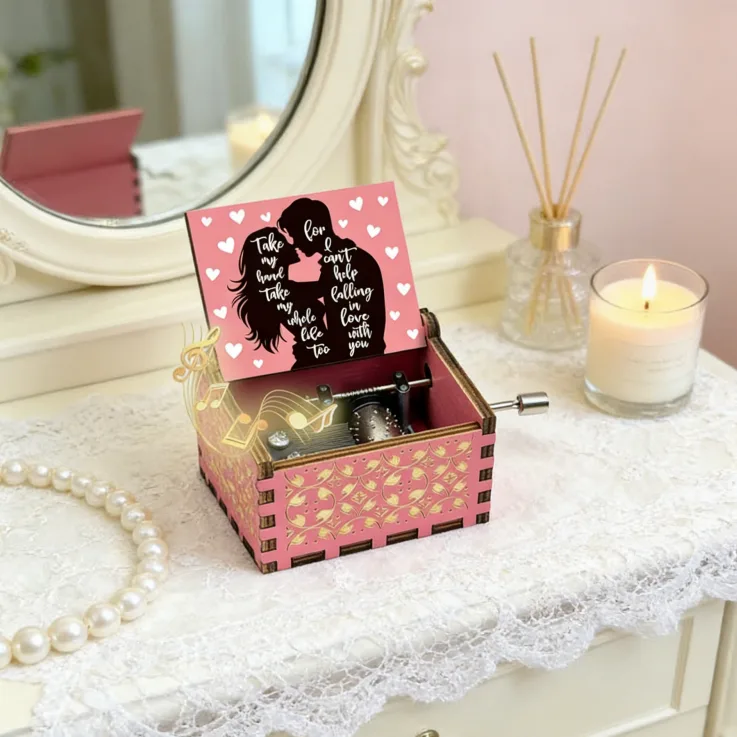
The inspection plan should combine ordinary product QC with logo-specific checks. Verify material, dimensions, construction, sanding, finish and function first. Then check:
- correct artwork and language;
- logo dimensions and placement;
- orientation and side of application;
- missing strokes and filled-in small spaces;
- unintended scorch marks or smoke residue;
- contrast within the approved natural range;
- engraving across joints or veneer defects;
- correct variant counts;
- protection of engraved faces in packing.
For multiple SKUs, create a visual matrix pairing each product colour with its correct artwork and packaging. Many costly errors are not failures of the laser; they are mix-ups between similar variants.
Packaging and abrasion risk
An engraved surface can still be damaged by rubbing. Dust, hardware bags, crank handles or adjacent wooden parts may scratch the face during transport. Separate components, immobilize loose hardware and place non-abrasive protection over presentation surfaces. Ensure the finish is cured and the engraved area is cleaned before sealing the pack.
If the product includes a mechanism, glass, acrylic or protruding handle, design the insert around the complete risk profile. The export packaging checklist provides a framework for product, retail and shipping layers.
Buyer checklist
- Supply vector artwork with outlined fonts.
- Name one final revision and retire earlier files.
- State physical logo size and two-point location dimensions.
- Test on actual wood, coating and colourway.
- Approve natural tone range separately from process defects.
- Confirm engraving sequence relative to finishing.
- Review fixtures and first-piece approval.
- Inspect product quality and logo quality together.
- Control variant mapping for artwork and packaging.
- Protect engraved faces from abrasion in transit.
FAQ
Which file format is best for laser engraving?
Editable vector artwork is usually the clearest production input. Convert fonts to outlines and remove hidden or duplicate elements. The factory should confirm its supported format before sampling.
Why is my logo darker on some units?
Natural density and grain variation can change engraving tone. The buyer and manufacturer should approve a reasonable range on production-equivalent material and separate natural variation from excessive burning or poor focus.
Should the product be engraved before or after finishing?
Either sequence can be correct. It depends on the coating, desired contrast, cleaning method and intended use. Approve the complete sequence through physical tests.
How can I prevent the wrong logo in a mixed order?
Use controlled filenames, an SKU-artwork-packaging matrix, line clearance between variants, first-piece approval and count verification before packing.
Can a manufacturer engrave individual names?
Variable data may be feasible, but it changes file control, production flow and inspection. Define the data source, naming convention, proof process, privacy handling and error policy before quoting.
Prepare an engraving trial
Buyers can review a laser-engraved wooden music box as one construction reference and browse broader custom wooden products. Send Qingtan Muyu Woodcraft the product drawing or reference, intended material and finish, vector artwork, logo dimensions, quantity, packaging channel and destination through the contact page. A small, controlled physical test should come before any bulk logo approval.