
Wooden Pet Products Manufacturer: A Guide for Private Label Brands
A private-label sourcing guide for wooden pet products covering product briefs, materials, samples, branding, quality checks and export packaging.
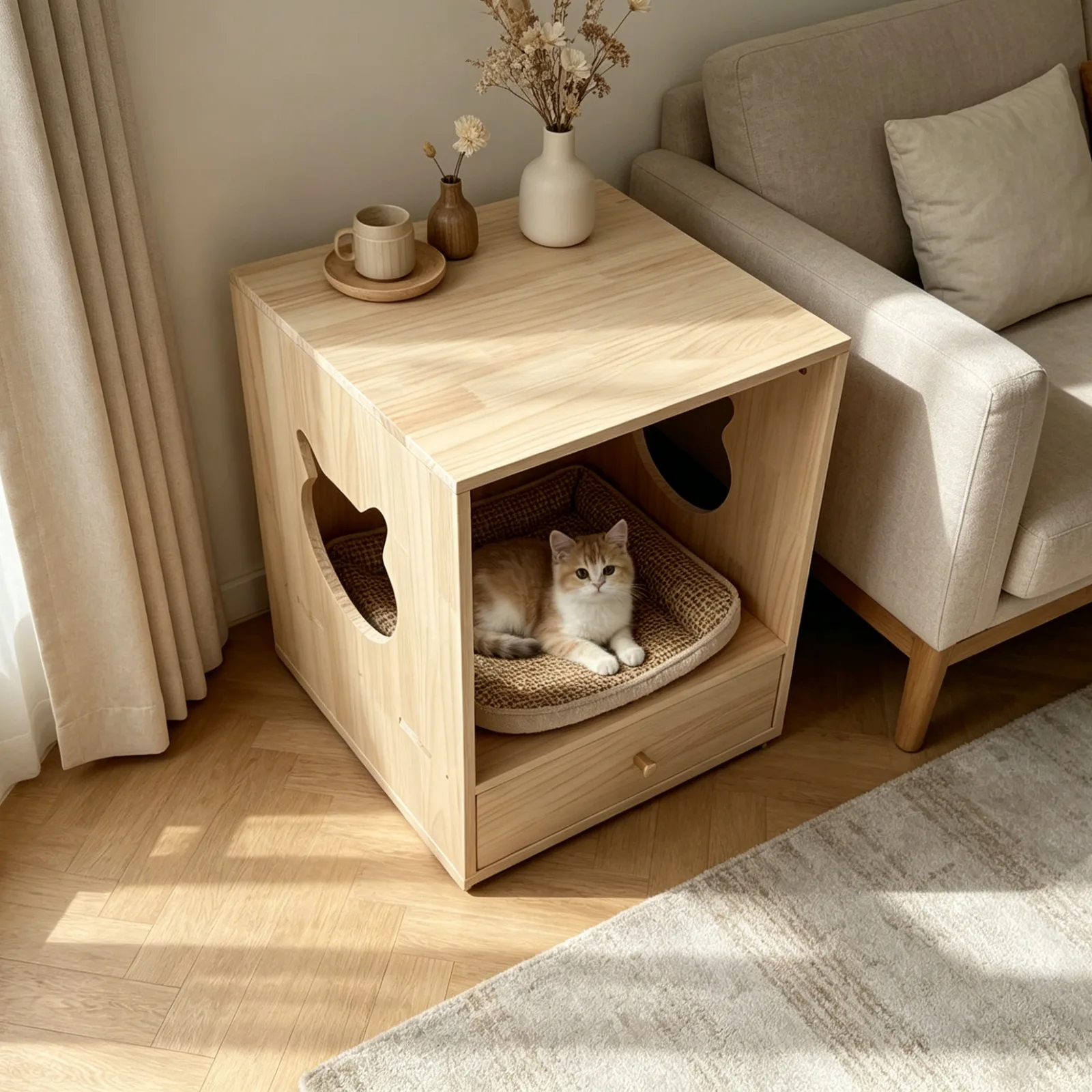
A private-label wooden pet product is ready for a brand only when the product, its materials, removable parts, branding and pack-out have all been defined together. A handsome catalog image is a starting point. It does not tell a buyer whether a cat house will arrive with smooth cut-outs, whether the cushion cover can be removed as specified, or whether the carton protects the product after a long shipment.
For importers, retailers and e-commerce brands, the useful question is whether a supplier can repeat the same construction, finish, hardware and branded presentation from the approved sample through the bulk order. Cao County Qingtan Muyu Crafts Co., Ltd, the brand of Cao County Qingtan Muyu Crafts Co., Ltd, works with buyers on custom wooden homeware and pet-product projects where that control matters.
Quick Answer: What Should a Private-Label Buyer Control?
Start with a product brief that states the intended animal and use, overall dimensions, wood or panel construction, load-bearing parts, edge treatment, textile components, hardware, finish, logo position, labels and export packaging. Then approve a sample that uses those same decisions. Before shipment, inspect against the approved sample and written specification, not against a general description such as “good quality.”
That approach works for wooden cat houses, cat trees, pet bed frames, indoor crate furniture, wall shelves and pet-toy storage. The details differ by SKU, but the buying discipline is the same.
Decide What the Product Is Before Asking for a Quote
“Wooden cat furniture” is too broad for a reliable quotation. A supplier needs to know whether the piece is a sleeping space, a climbing product, a side-table cat house, a toy organizer or a decorative retail item. Each one has different joints, contact surfaces, fabric parts and packing needs.
Make the first brief concrete. Include a dimensioned drawing where possible, reference photographs marked with what is fixed and what may change, the target market, the intended pet size or product-use boundary, and a list of must-have features. If a scratch post, cushion, drawer, hanging part, wall fitting or removable cover is included, identify it as a separate component. A clear component list prevents the common situation where a buyer receives a correct-looking product with a different fabric, an omitted fitting or a logo placed on the wrong part.
For an existing design, distinguish between a private-label version and a custom development project. A private-label version may use an established construction with buyer artwork, a selected finish and retail packaging. A custom project may change the footprint, opening shape, panel material, structural layout or accessory set. Treating those as the same project creates avoidable misunderstandings about samples, tooling and production planning.
Choose a Wooden Pet Products Manufacturer by Relevant Capability
Ask for evidence related to the product you intend to buy: similar joins, cut-out panels, cushion handling, hardware installation, assembly instructions and retail cartons. The point is to understand process fit.
A useful supplier review separates what the factory makes internally from what it sources. Mixed-material pet furniture may include wood, panel material, fasteners, cushions, rope, labels and printed packaging. Ask who controls each part and how substitutions are handled.
Private-label buyers should also confirm who owns the artwork files, which logo revision is approved, and where that approval is recorded. Send vector artwork where available. Mark the logo size, orientation, colour treatment and exact location on a drawing or photo. If the logo is engraved, printed, embossed on a textile label or placed on a hangtag, approve that specific application rather than approving a logo file in isolation.
Specify Materials by Surface and Function
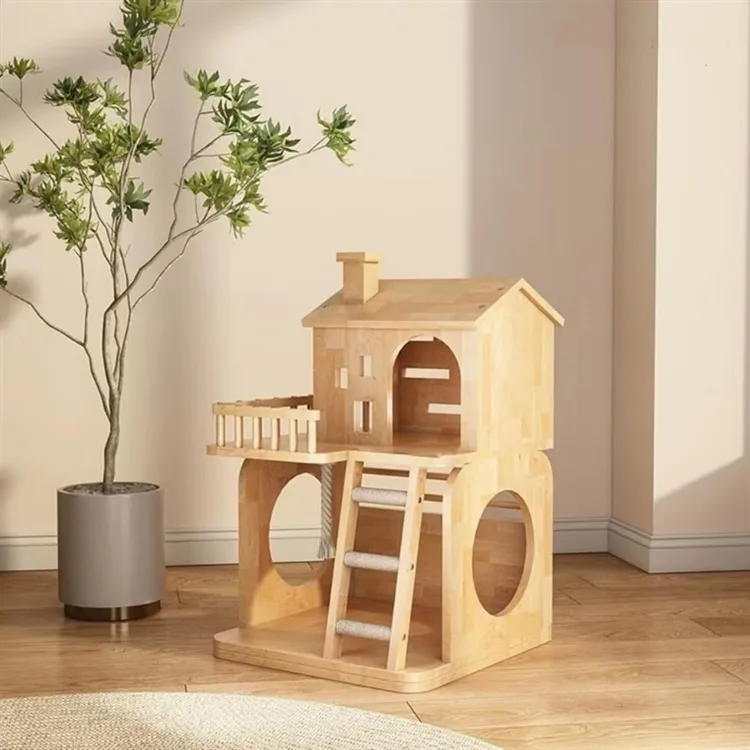
There is no single “best wood” for every pet product. A product may use solid wood for visible legs or rails, plywood for stable panels and a different material for a removable base or covered surface. What matters is that the materials are named by component and by the conditions they will meet.
| Product area | What the buyer should define | Why it matters |
|---|---|---|
| Visible wood surfaces | Species or panel type, grain expectations, colour range and finish appearance | Natural variation is easier to manage when the approved range is clear. |
| Edges and cut-outs | Corner radius, sanding expectation and treatment of internal openings | Pet furniture has many contact points that are easy to miss in a front-view photo. |
| Structural panels and supports | Construction, joint method, fastener locations and assembly sequence | These details determine stability and repeatable assembly. |
| Cushions, covers and rope | Fabric reference, fill, attachment method, care label and removable-part requirement | Soft components often create the largest visual difference between sample and bulk. |
| Finish and coatings | Colour reference, sheen, application area and any market-specific material requirements | A finish should be assessed on the intended substrate, not only from a swatch. |
Do not assume that a phrase such as “pet-safe” has a universal technical meaning. If your market, retailer or product use requires a particular test, declaration or material restriction, provide that requirement early and confirm the applicable evidence with the supplier. The same care applies to packaging claims and care instructions. A manufacturer should not be asked to imply compliance that has not been established for the actual product and destination.
Use the Sample to Test the Whole Private-Label System
A good sample is more than a visual approval. It is the place to test product construction, branded details, buyer assembly and the pack-out. Request the intended wood or panel construction, final hardware, selected finish, intended textile components, logo treatment, labels and production-style packaging where practical. If a product ships knocked down, assemble it following the proposed instructions. Count the fittings. Check that the holes align without forcing parts into place. Confirm that the supplied tool, if any, is appropriate for the fastener.
Photograph the approved sample from every side, including the underside, rear panels, internal openings, hardware points and packaging layers. Pair those photographs with the drawing and material schedule. This becomes a usable approval record for the factory, buyer and inspector.
Use a written change log for any revision: date, component, old version, new version, reason and approval status. A small late change can touch several items. A new cushion thickness may change clearance, and a revised logo label may change the carton artwork.
Inspect the Details That Customers Actually Touch
Private-label pet products live close to the customer. They are handled during unboxing, assembled in a home and used repeatedly. The final inspection should reflect that reality.
- Check exposed edges, cut-outs, drilled holes and corners for consistent sanding and finish.
- Check joints, legs, platforms and brackets for the specified construction and secure installation.
- Confirm that hardware type, count and placement match the approved bill of materials.
- Compare wood tone, textile colour, logo placement and label wording with the approved sample or reference.
- Open and close any drawer, door or removable section that the product includes.
- For knock-down items, trial-assemble sampled cartons using the final parts, fittings and instructions.
- Review the finished carton from the buyer’s perspective: outer label, barcode area if supplied, inner protection, sealed accessory pack and instruction placement.
Inspection is strongest when acceptance points are written before production. A broad request for a “clean finish” leaves too much room for individual interpretation. A supplier and a third-party inspector can act more consistently when they have the approved reference, key dimensions, component list, logo artwork, carton layout and defect examples.
Design Packaging Around the Real Product Journey
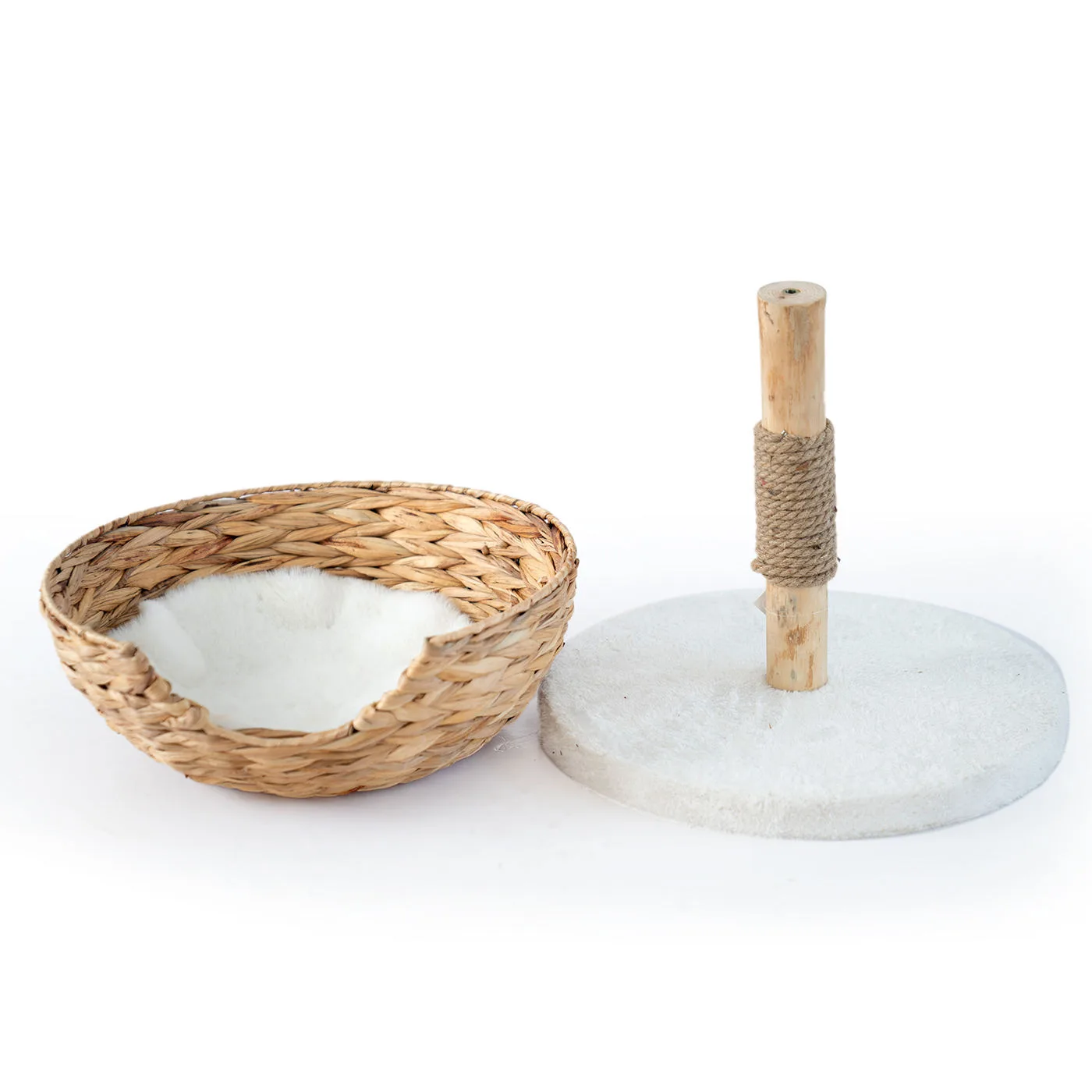
Wooden pet products often contain large panels, projecting legs, cushions or loose hardware. The carton is part of the product specification, especially for e-commerce brands. It needs to keep parts separated, prevent visible surfaces from rubbing together and give the customer a straightforward opening sequence.
Ask to see the packed sample, not only the assembled sample. Check whether panels have edge protection, whether loose fittings are sealed and labelled, whether textile components are protected from abrasion, and whether the outer carton identifies the correct SKU and revision. For a multi-SKU collection, keep the carton dieline and label logic under the same version control as the product itself.
A retailer may have its own carton markings, label placements or inbound requirements. Give those requirements to the manufacturer before printing begins. It is far easier to correct a layout proof than to rework printed cartons after product packing has started. For broader pack-out questions, see the wooden product packaging guide for importers.
Buyer Checklist Before a Bulk Private-Label Order
- Confirm the intended use, target market and complete SKU list.
- Freeze the product drawing, component list and material schedule.
- Approve the logo application, care label and carton artwork by revision.
- Inspect a sample with the intended construction, finish, soft parts and fittings.
- For shipped-flat products, complete a trial assembly from the final pack-out.
- Attach the approved sample record and acceptance points to the purchase order.
- Plan pre-shipment inspection around the actual product and packaging risks.
Buyers preparing their first specification can start with this custom wood product RFQ checklist. For bulk checks, the wooden product quality control checklist provides a practical inspection framework.
FAQ
How do I choose a wooden pet products manufacturer for a private label?
Compare suppliers using the same brief, then review evidence of relevant construction, material handling, assembly and packaging. Approve a sample that includes your intended branded details before committing to bulk production.
What should be included in a private-label wooden pet product brief?
Include intended use, dimensions, construction, materials, finish, components, hardware, logo treatment, labels, carton requirements and the destination market’s stated requirements. Separate required details from reference inspiration.
How can a buyer avoid sample-to-bulk differences?
Use the approved sample together with controlled drawings, a material schedule, artwork revision, component list and carton specification. Require written approval for any proposed substitute and inspect bulk units against those references.
Should I inspect flat-pack cat furniture after assembly?
Yes. Trial assembly reveals issues that a visual check can miss, including misaligned holes, missing fittings, unclear instructions and interference between parts. Test using the intended packaged components.
Can a manufacturer help with OEM and private-label packaging?
Yes, provided the buyer supplies the necessary branding, label and packaging requirements. Discuss the packaging plan at the same time as the product structure so that protective inserts and carton dimensions fit the final product.
Cao County Qingtan Muyu Crafts Co., Ltd supports OEM, ODM and private-label wooden pet-product projects for importers and brands. Share your drawing, target use, material direction and packaging needs through the inquiry page to begin a focused discussion.