Storage · ST
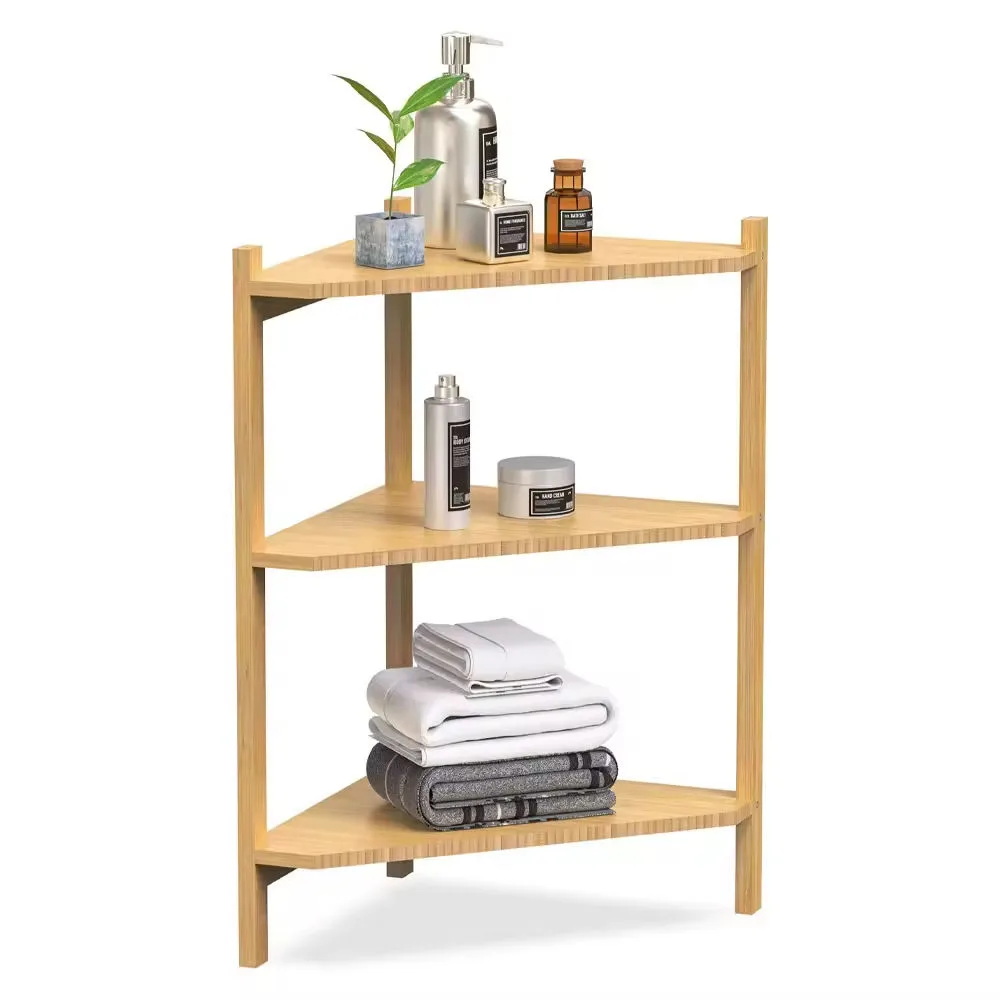
3-Tier Corner Bamboo Shower Caddy
Three-tier corner bamboo shower caddy, a freestanding organizer for bathroom storage.
Direct manufacturer · Cao County, China
We develop and manufacture wooden storage, mirrors, small tables and desks, pet furniture and decorative home products for importers, retailers and home-lifestyle brands.
Buyer-requested designs
Popular starting points for wholesale, OEM and private-label product development.
Storage · ST
Three-tier corner bamboo shower caddy, a freestanding organizer for bathroom storage.
Featured custom project · Storage · ST
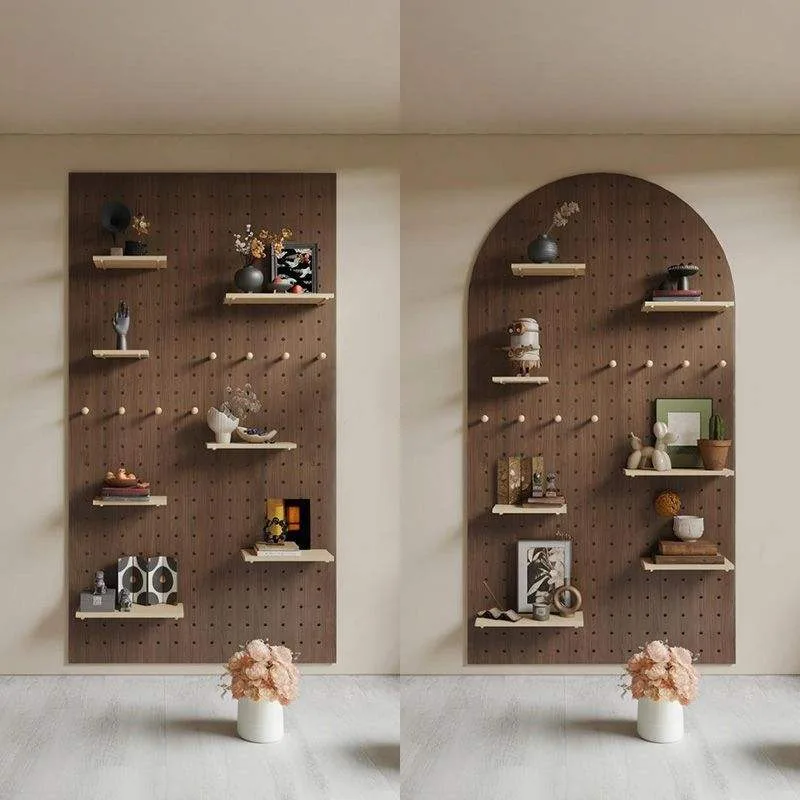
Mid-century style solid wood wall pegboard accessory panel for wall organization.
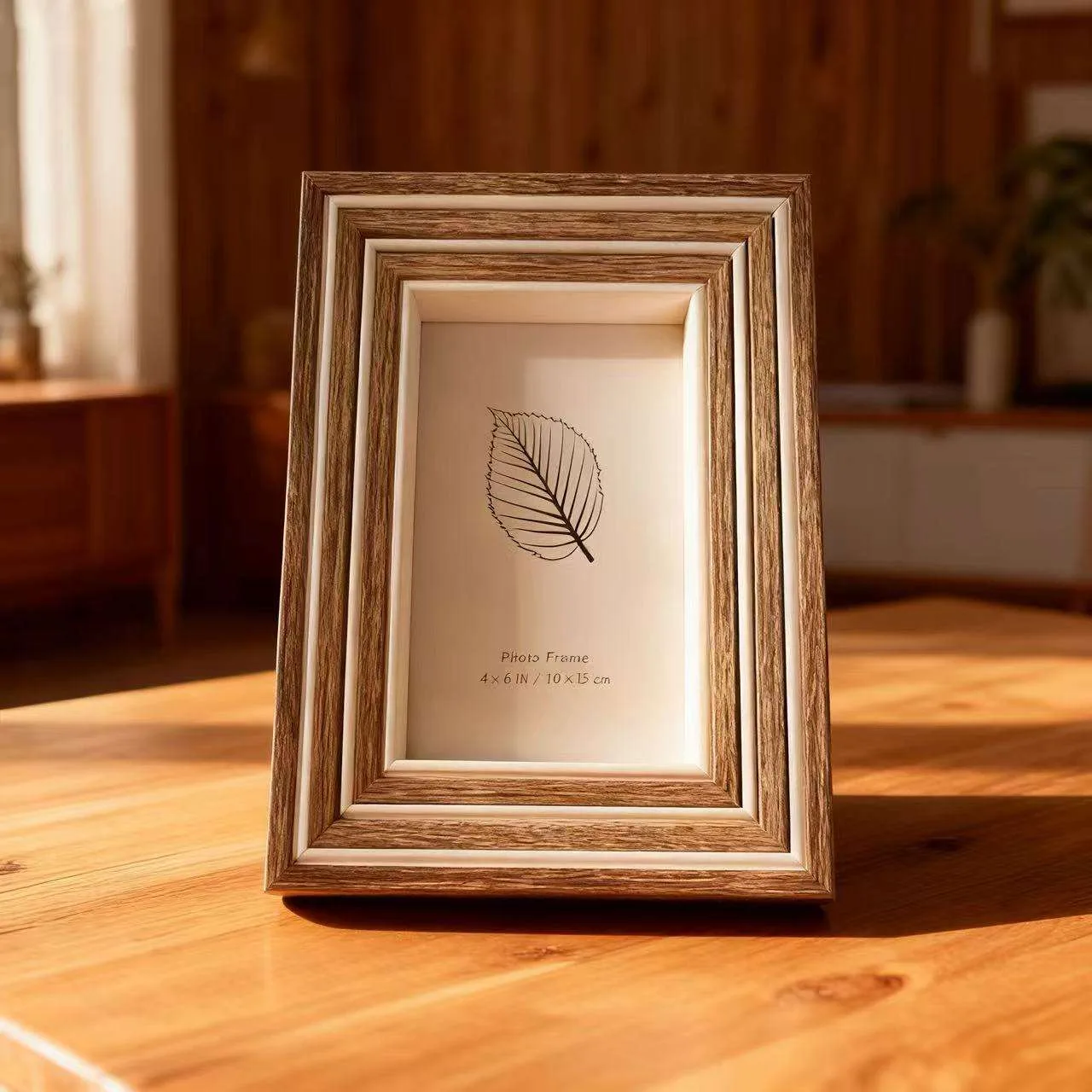
Gifts & Decorations · DC
Set of three matching wooden desktop photo frames for family memories and home styling.
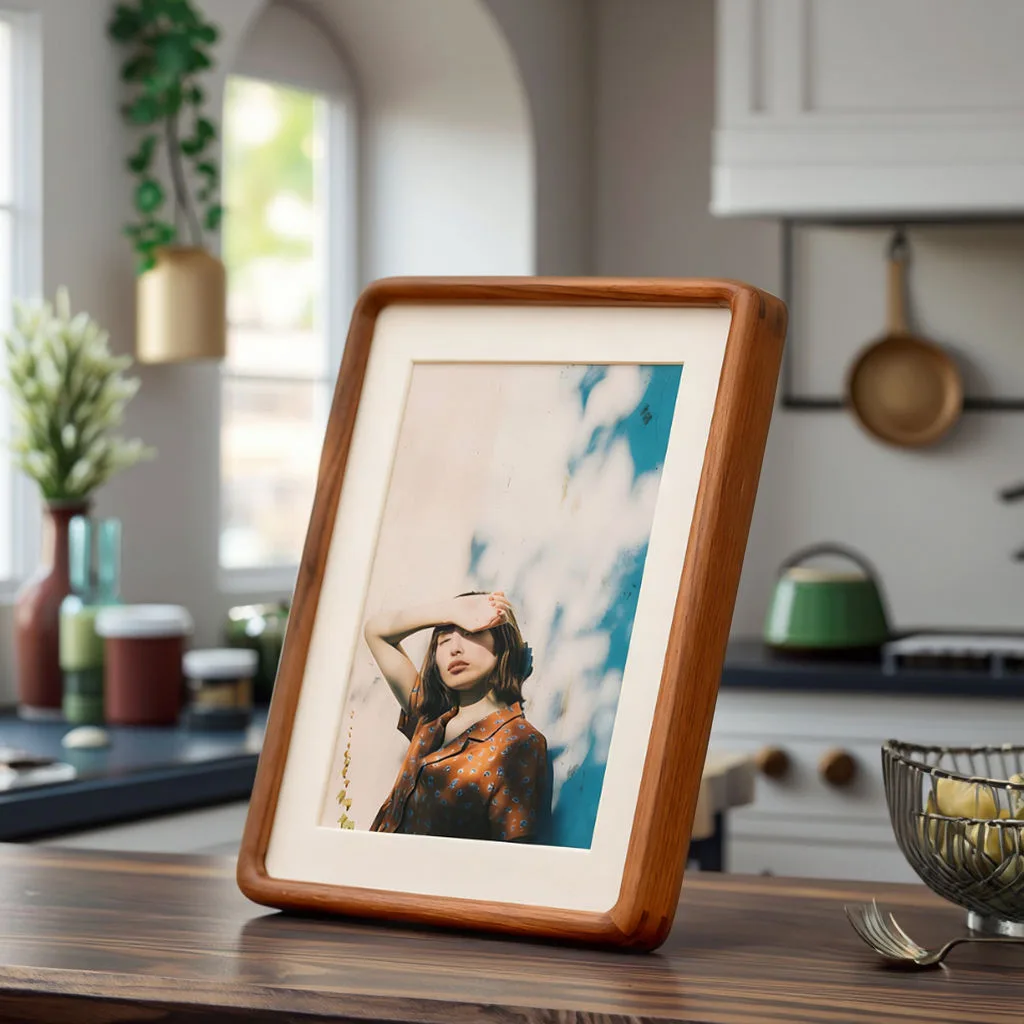
Featured custom project · Gifts & Decorations · DC
Solid black walnut DIY photo frame with UV-printed brass accent, sized 4x6 for refined home display.
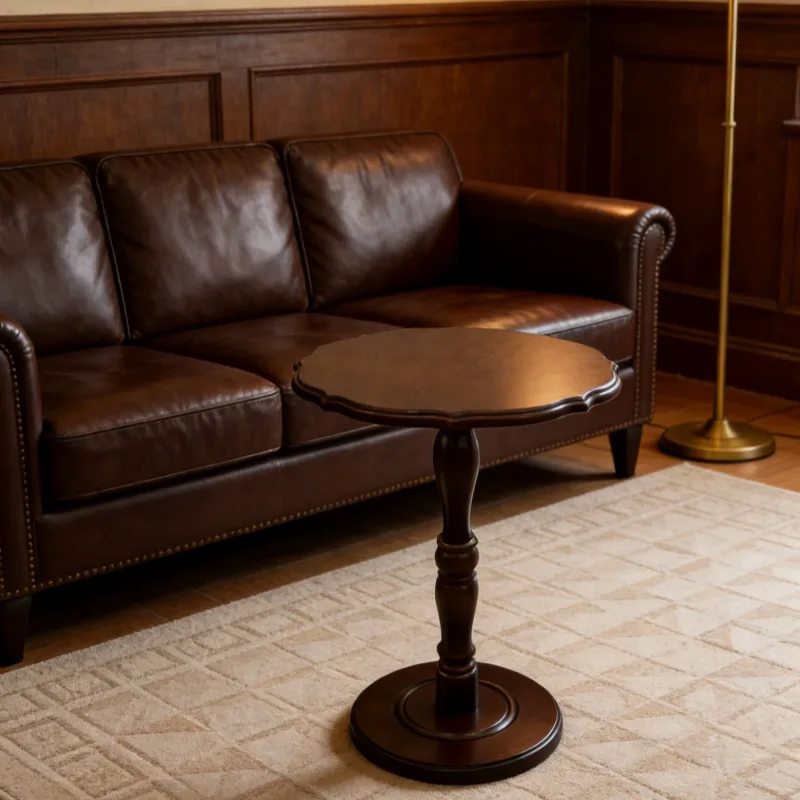
Tables & Desks · TB
Mid-century solid wood extendable antique coffee table for living room and bedroom furniture.
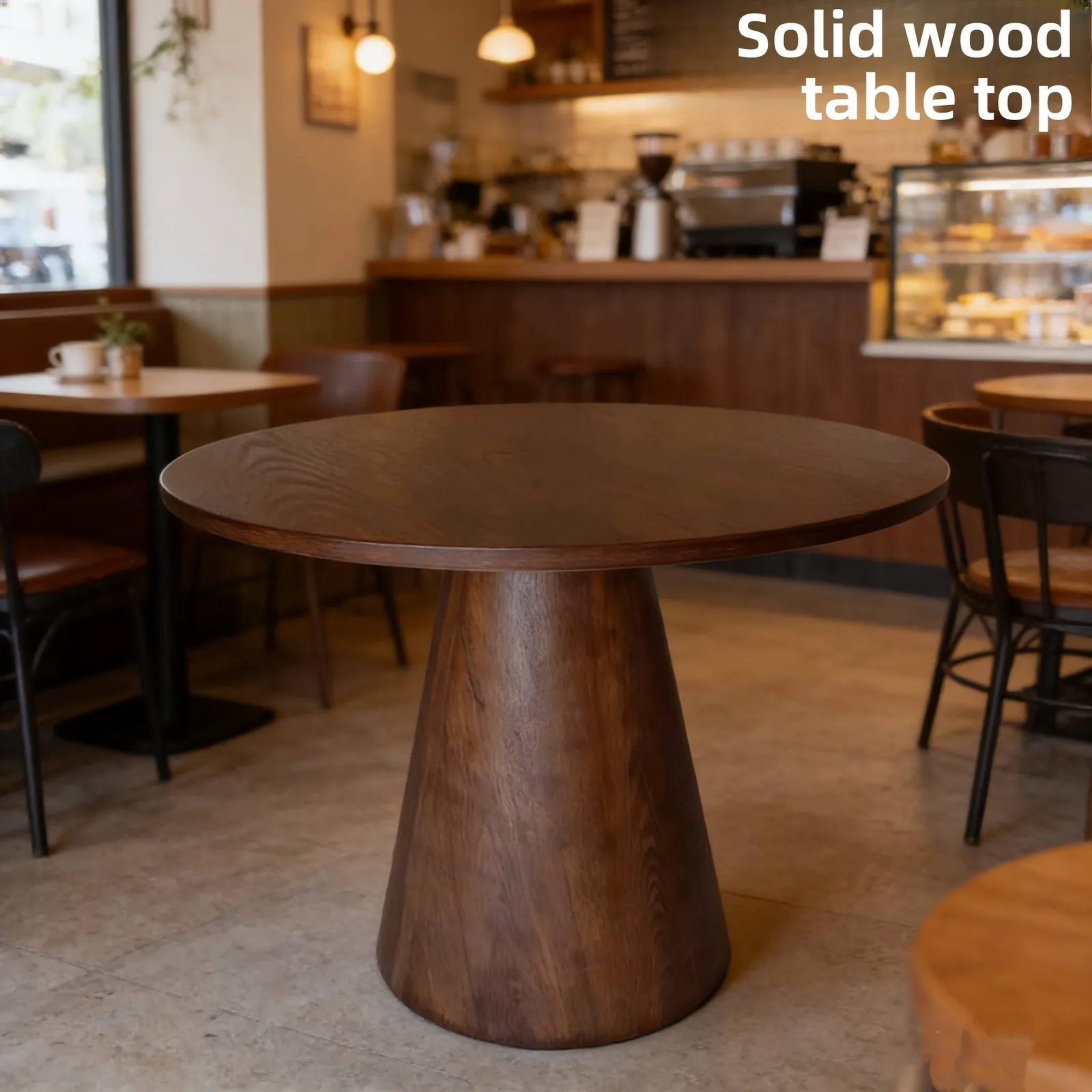
Featured custom project · Tables & Desks · TB
Nordic solid wood modern tea table set with new-Chinese corner design for living room sofas.
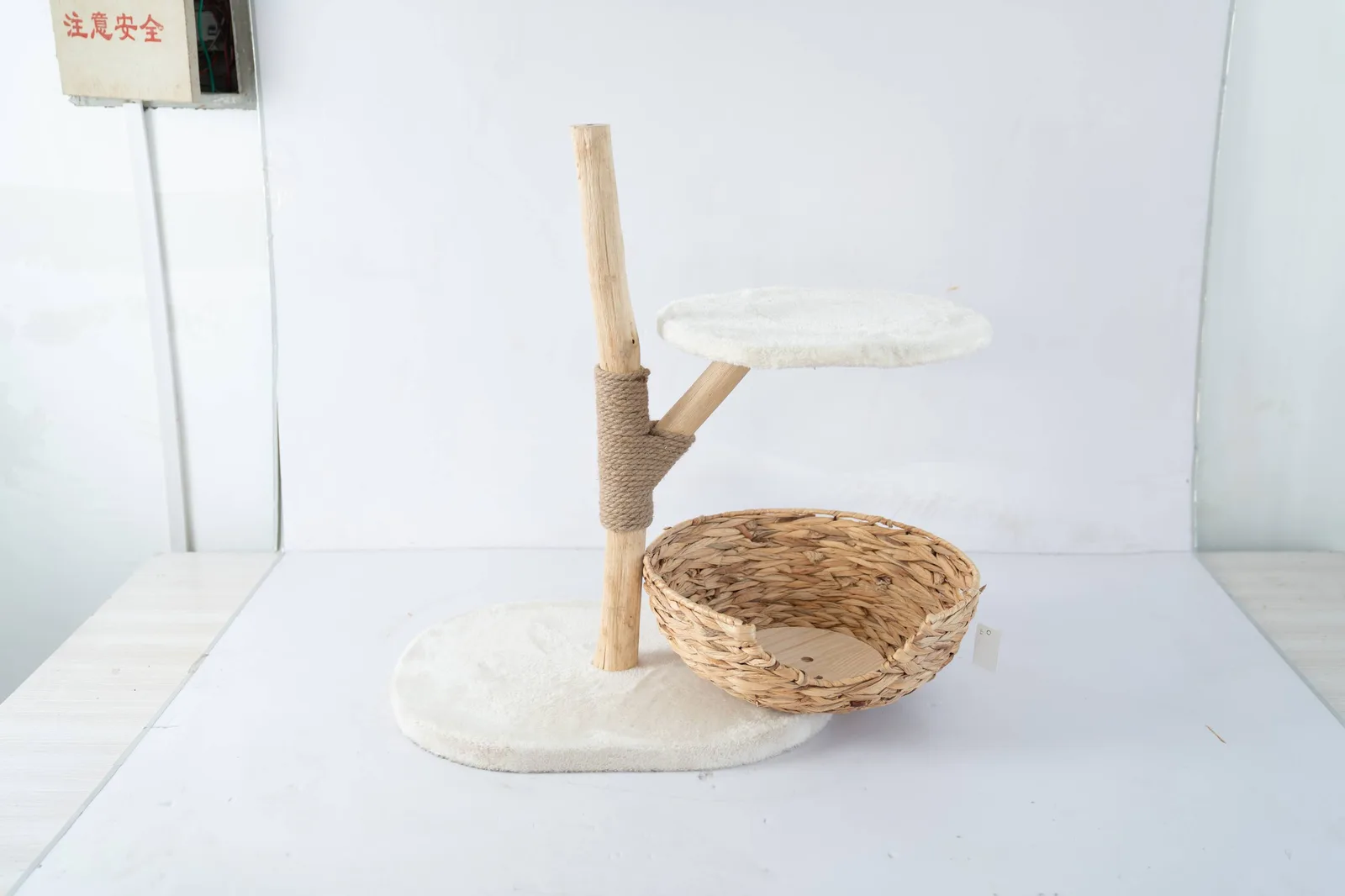
Pet Furniture · PT
manufactured multi-level wooden cat tree with hammock, platforms and natural vine accents for active indoor cats.
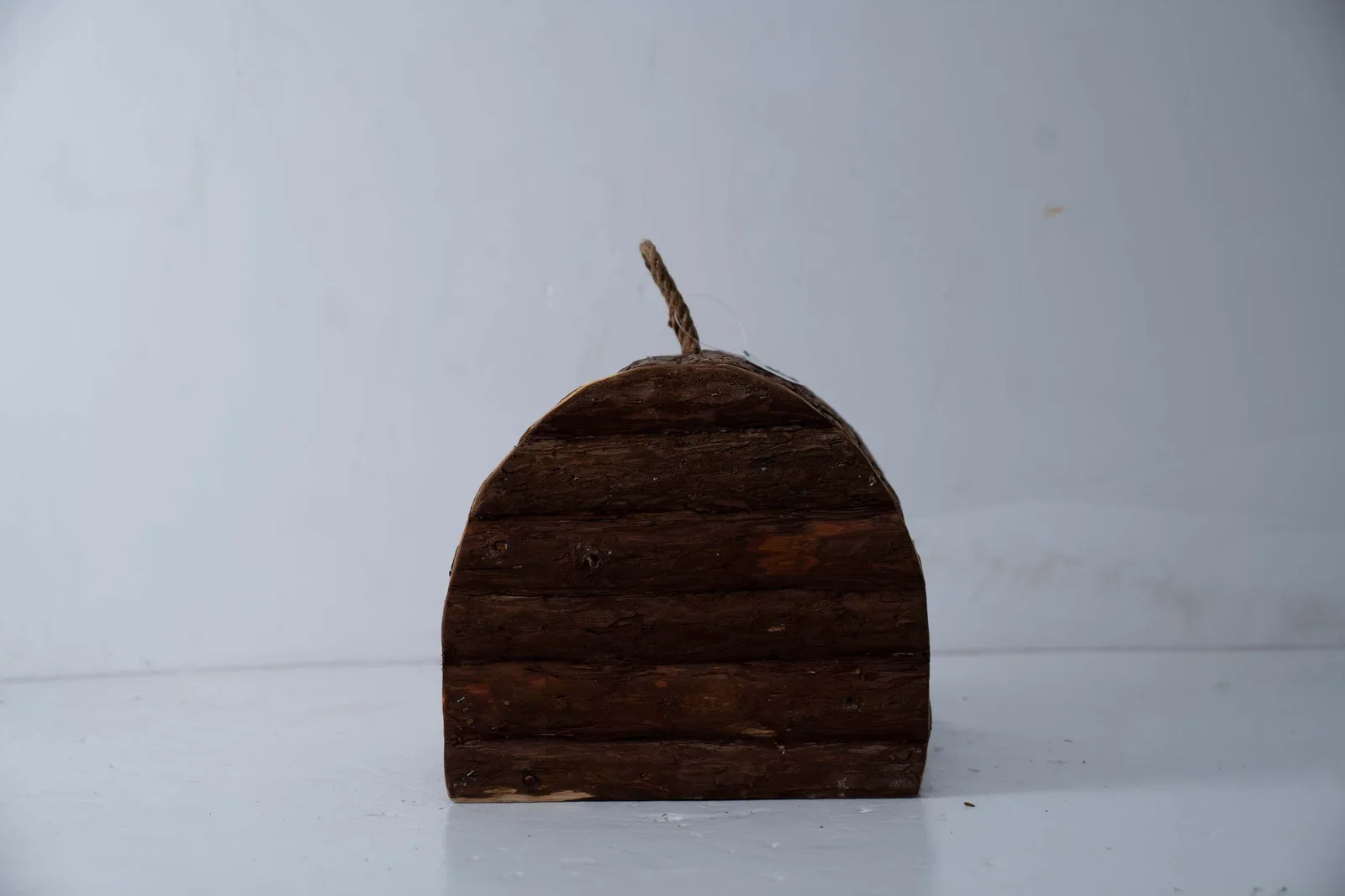
Pet Furniture · PT
Lightweight round wooden pet bed with a cozy enclosed design for cats and small dogs at home or on the go.
Core product categories
Explore 56 customizable product concepts across four manufacturing categories. Materials, dimensions, finishes, logos and packaging can be developed around your market requirements.
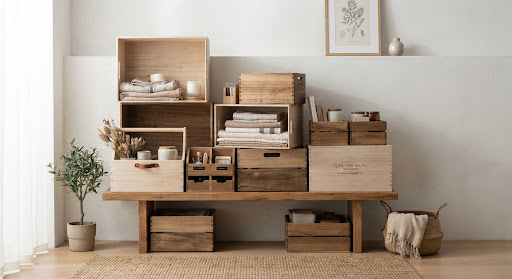
15 product concepts
Source custom wooden boxes, organizers, crates, trays, shelves and wall-storage products for wholesale, retail and private-label programs.
Explore category →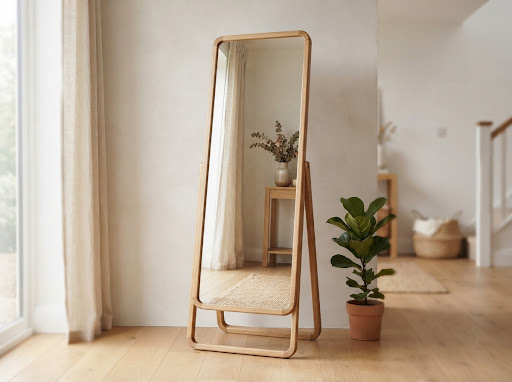
15 product concepts
Develop wooden mirrors, frames, ornaments and wooden gifts, ornaments, mirrors and decorative display products for home, lifestyle and gift collections.
Explore category →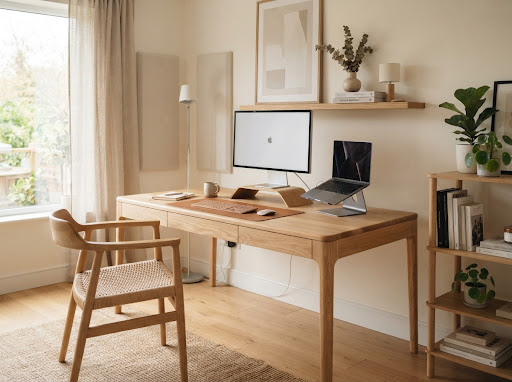
15 product concepts
Source compact wooden furniture for home, office and retail collections.
Explore category →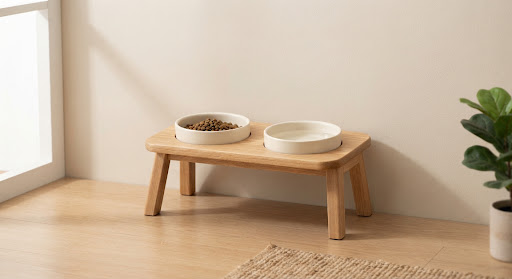
15 product concepts
Develop wooden pet beds, feeding stations, cat furniture, crate tables and accessories for pet brands and home-lifestyle retailers.
Explore category →OEM & ODM manufacturing
Founded in 2014, Cao County Qingtan Muyu Crafts Co., Ltd is located in Cao County, Heze, Shandong Province, one of China’s established wooden-product manufacturing bases. We provide OEM and ODM production for wooden cutting boards, boxes, pallets, display racks, home decorations and other wooden craft items, with one-stop support from sample development to mass production.
We confirm use, dimensions, target material, finish, logo, packaging, quantity and destination market.
Typical sampling is 5–10 days after specifications are aligned, with revision feedback recorded before approval.
Approved specifications guide cutting, machining, assembly, finishing, inspection and packing.
Retail, mail-order and Amazon/FBA packaging can be designed for the product and shipping route.
Flexible manufacturing scope
Every project is quoted against an agreed specification so buyers can compare samples, production and packing against the same requirements.
Paulownia, pine, oak, acacia, poplar, plywood, MDF and buyer-specified alternatives.
Custom dimensions, thickness, joinery, hardware, load requirements and assembly format.
Sanding, stain, paint, clear coating, distressed effects and project-specific treatments.
Laser engraving, printing, labels, inserts, retail cartons, mail-order and FBA packaging.
Buyer confidence
Documentation and inspection scope are matched to the material, product use and destination market. Buyers can define checkpoints before sampling and mass production.
Material, size, construction, finish, logo and packaging are recorded against the approved sample or written specification.
Production photos, videos and buyer-defined inspection checkpoints can be included in the order plan.
FSC/PEFC sourcing options, REACH, CARB/TSCA, FDA/LFGB and social-audit support can be arranged where applicable.
Final product, carton marks, labels, barcodes and packing configuration can be confirmed before shipment.
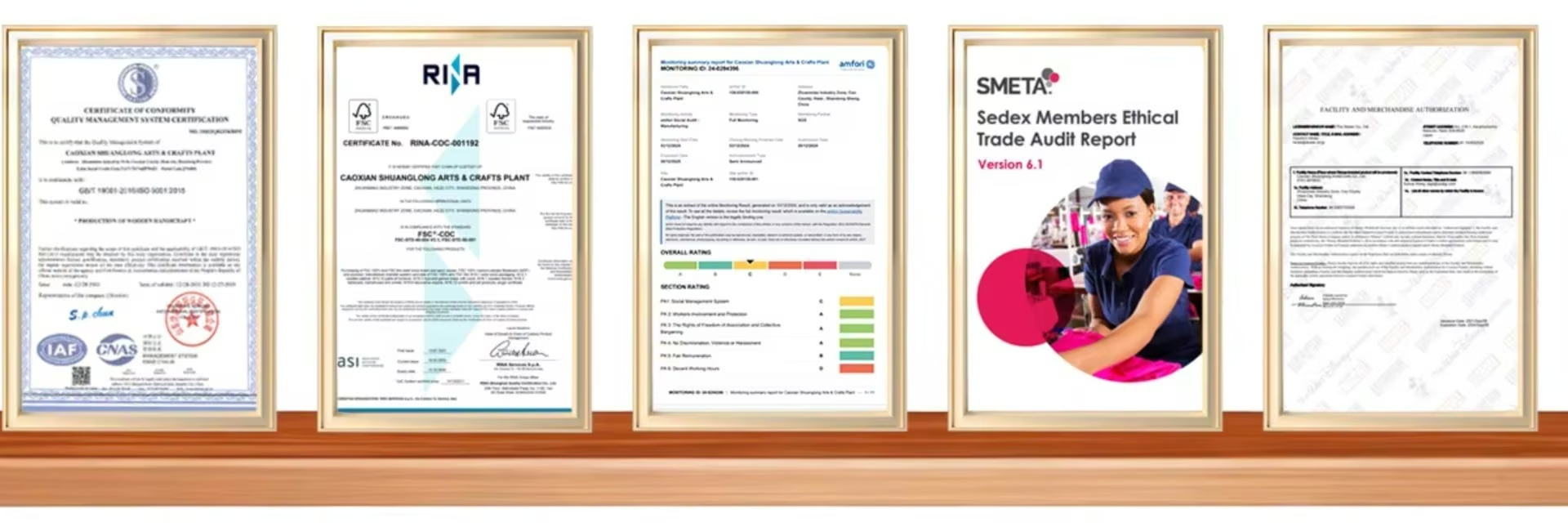
Certificate holder, issuing body, validity, scope and destination-market applicability are confirmed for each project before order approval.
Selected Brand Collaborations
Custom manufacturing projects for home, lifestyle, and retail brands.
JMJessica M.Homeware Brand · USA
The sample was adjusted quickly, and the bulk order matched the approved version very well. The custom dimensions and logo were exactly what we needed.
DRDaniel R.Home & Living Importer · UK
The finish was clean, dimensions were accurate, and the private-label packaging was suitable for retail.
SKSophie K.Home Décor Brand · Germany
They helped develop our pegboard and gave useful suggestions on thickness, hole spacing and packaging before mass production.
Buyer resources
Use our knowledge base to prepare specifications, choose materials, understand packaging and build a clearer RFQ.
Most projects start from 50–100 pieces per design. Final MOQ depends on material, construction, finish and packaging setup.
Yes. We review drawings, reference images or physical samples and confirm the specification before sampling.
Sampling normally takes 5–10 days. Mass production is typically 25–30 days after sample and order confirmation.
SEO/GEO sourcing paths