
Custom Wooden Side Tables: A Wholesale Buyer Guide
A practical sourcing guide for importers and furniture brands developing custom wooden side tables for retail, e-commerce and private-label programs.
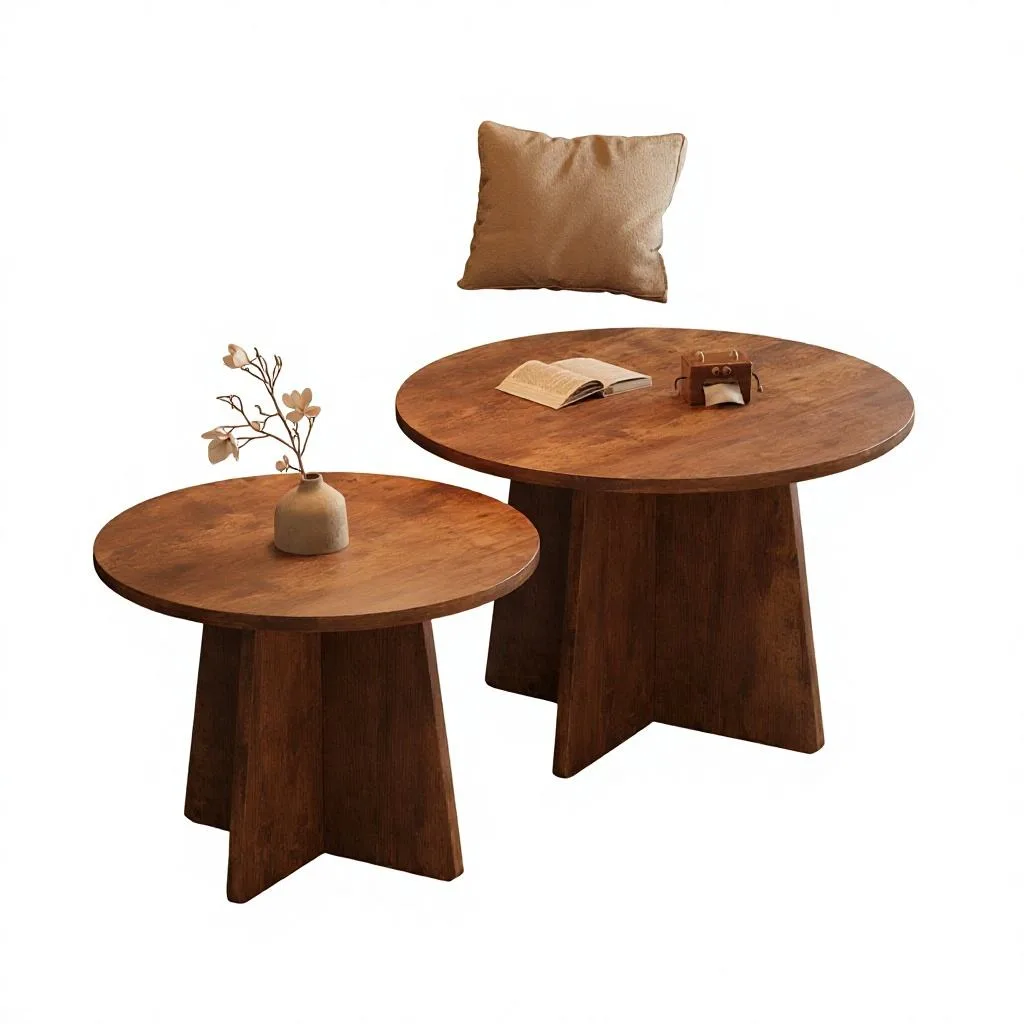
Custom wooden side tables look simple, but small changes in top construction, leg geometry, joinery and packing can decide whether the product feels stable or becomes a return problem. Wholesale buyers should begin with the intended use, load, dimensions, material and distribution channel. A styled image is a useful design reference; it is not a manufacturing specification.
Quick answer
To source custom wooden side tables, issue a dimensioned drawing that identifies the table-top construction, edge profile, base geometry, joints, hardware, finish and target load. Approve an assembled and fully packed sample. Test stability, rocking, joint movement, surface appearance and customer assembly. Before shipment, inspect critical dimensions, moisture condition, finish, hardware sets, carton protection and bulk consistency.
Qingtan Muyu Woodcraft, the export brand of Cao County Qingtanmu Craft Co., Ltd., produces small tables and desks for importers, retailers, e-commerce sellers and private-label home brands. Custom dimensions, construction, finishes, logos and packaging can be reviewed against a buyer’s requirements.
Define the side table as a use case
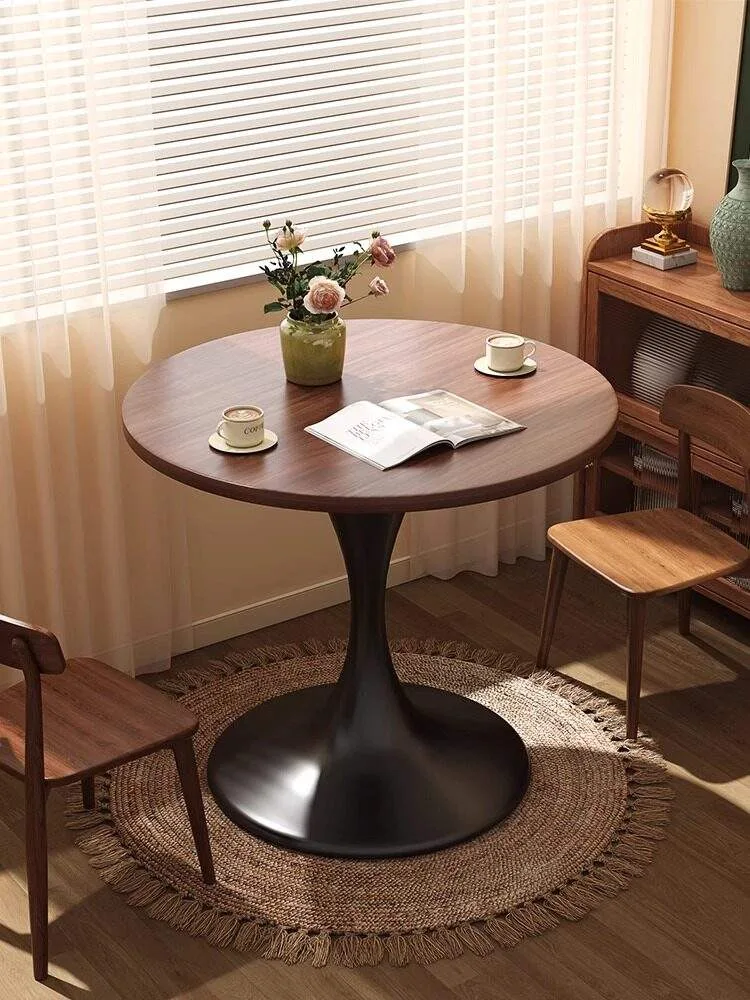
A bedside table, sofa-side table, nesting pair and decorative occasional table may occupy similar space but carry different requirements. Define expected placement, top use, consumer assembly, indoor environment and retail channel. Record the target overall height, usable top area, base footprint and any clearance requirement.
If the table will be sold as a set, specify whether the pieces nest, stack or ship together. If it doubles as a stool, say so explicitly; a supplier must not infer seating performance from a furniture photo. Any load-bearing or safety claim should be supported by an agreed test appropriate to the product and market.
Buyers who benefit from OEM small furniture
Custom side tables suit furniture importers, home-lifestyle brands, department-store buyers, online furniture sellers, hospitality distributors and retailers building coordinated wood collections. They can extend a range without the volume and freight commitment of large cabinets, but buyers still need to plan carton size and dimensional weight.
An e-commerce brand may prioritize flat-pack construction and parcel protection. A boutique retailer may prefer assembled construction and a controlled finish. A hospitality buyer may focus on stability, cleanability and repeat-order consistency. Tell the manufacturer which compromise is acceptable.
Material decisions: solid wood, plywood and engineered panels
The phrase “wooden table” does not describe the full construction. A table may use solid wood legs with a veneered or laminated top, plywood structural panels, MDF under a painted finish, or mixed materials selected for strength and stability.
| Construction option | Strengths | Buyer questions |
|---|---|---|
| Solid wood | Natural grain and repairable edges | Species, board selection, moisture, movement and glue-up |
| Veneered plywood | Stable panel and efficient shaped parts | Veneer species, exposed edge treatment, grade and core |
| MDF with veneer or paint | Smooth consistent surface | Edge sealing, weight, screw holding and moisture exposure |
| Mixed construction | Balances appearance, stability and cost | Exact material by component and consistent visual matching |
Ask for a component-level material schedule. If only visible faces are a specified species, the drawing and quotation should say so. Buyers can use the wood selection guide to compare appearance, weight and manufacturing implications.
Joinery and stability
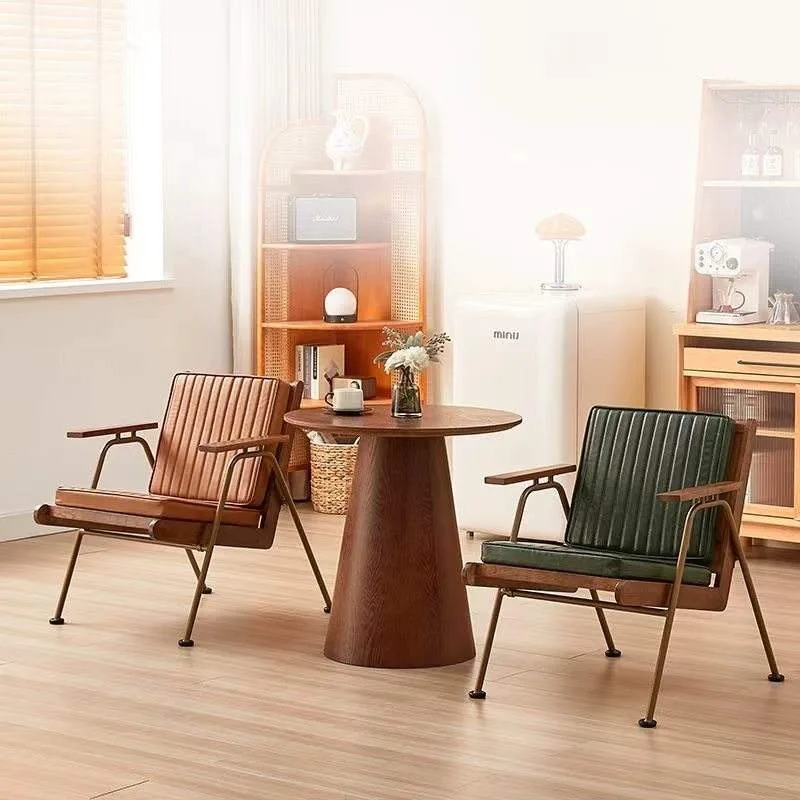
Side-table complaints often arise from geometry rather than obvious breakage. A table can be strong yet rock on a flat floor if leg lengths, base slots or assembly tolerances do not align. Wide tops on narrow bases can also feel unstable even when joints are intact.
During engineering review, confirm:
- base footprint relative to top size and height;
- joint type and glue or hardware method;
- anti-rotation features where legs attach;
- floor-contact points and adjustable feet, if any;
- grain direction around narrow joints;
- critical tolerances affecting flatness and assembly;
- whether hardware can be tightened after use.
For panel-slot or cross-base designs, inspect slot width, depth and perpendicularity. A small variation can move the top away from level. For screw-together designs, check insert position and repeated assembly.
CNC machining, sanding and edge profiles
Production may include cutting, panel lamination, CNC routing, drilling, sanding, dry assembly, finishing, final assembly and packing. A rounded table top requires a defined radius or profile, not the vague instruction “soft edge.” The buyer should approve the edge by drawing or production sample.
Sanding standards should cover the underside and base slots as well as the visible top. Cross-grain scratches may become more visible after stain. Exposed plywood edges can be intentionally shown, banded or veneered; record the choice before sampling.
Finish approval without unrealistic expectations
Wood stain interacts with grain and base colour. One tiny swatch cannot represent a full table top. Approve a larger panel or finished sample that shows the intended colour range, sheen and grain. View it under consistent lighting and compare it with adjacent products in the collection.
The finish specification should state the coating system or approved result, number or sequence of coats where relevant, colour reference, sheen, surface feel and acceptance range. Confirm cure time before packing. A finish that feels dry at the surface may still trap odour or mark under protective wrap if packed too early.
Avoid making performance claims such as heatproof, waterproof or scratch-proof without a defined test and verified result. For ordinary home furniture, “wipe-clean finish” or a tested resistance requirement is more useful when precisely defined.
OEM, ODM and private-label options
Customization can include top diameter or shape, table height, base geometry, material, colour, edge profile, knock-down hardware, logo plates, labels, assembly instructions and packaging. An OEM project follows buyer drawings; ODM development may modify an existing production concept.
Classify changes by risk. A stain change mainly affects colour approval and finish production. A new table height or base footprint can change stability. A new knock-down joint changes machining, hardware, assembly and packaging. This classification helps the buyer decide whether a finish sample, structural prototype or full packed sample is required.
Samples and production approval
Qingtan Muyu publishes typical sampling of 5–10 days after details are aligned and a typical MOQ of 50–100 pieces per design. Custom furniture timing and MOQ vary with material, machining, finish, hardware and packing. Treat those numbers as a starting reference, then obtain project-specific confirmation.
Review the sample in this order:
- Verify material and construction before judging colour.
- Measure height, top size, thickness and base footprint.
- Assemble the product using customer instructions and tools.
- Check rocking and stability on a known flat surface.
- Apply the agreed functional test safely.
- Inspect joints, edges, underside and floor contacts.
- Review finish colour, sheen, scratches and cure.
- Pack, unpack and reassemble the complete retail unit.
Record every change in one revision log. If a buyer combines comments from email, chat and annotated images without a master record, outdated changes can return during production.
Bulk quality control
A final inspection should sample across cartons and production batches according to an agreed plan. Checks may include:
- correct material and top construction;
- critical dimensions and tolerance;
- moisture condition under the agreed method;
- top flatness and assembled rocking;
- joint gaps, glue residue and damaged inserts;
- edge profile and sanding;
- finish colour range, sheen, coverage and odour;
- hardware quantity and instruction version;
- labels, barcode and carton marks;
- carton protection and packed-product condition.
For colour consistency, inspect groups of units together rather than one at a time. This makes outliers easier to see while respecting natural grain variation.
Flat-pack versus assembled export
Flat-pack construction can reduce carton volume and lower the risk of a protruding leg breaking in transit. It also introduces customer assembly, hardware control, instruction and joint-tolerance risks. Assembled tables provide a ready-to-use experience but usually need more volume and stronger corner protection.
Choose the format by total landed economics and channel performance, not factory price alone. A smaller carton is not a saving if missing hardware or unclear assembly drives returns. Conversely, assembled shipping is not inherently safer if legs are poorly supported in the carton.
Protect finished faces with non-abrasive material, isolate hardware, support the top and base against movement, and reinforce vulnerable edges. Test the complete packed unit using a method suited to the actual distribution route. The export packaging checklist provides additional planning points.
Buyer checklist
- Define use, target dimensions, load and channel.
- Issue a drawing with component materials and tolerances.
- Review base footprint and stability before styling details.
- Approve joinery, inserts and customer assembly.
- Specify edge profiles and all touch surfaces.
- Approve a representative finish range.
- Test the complete assembled sample.
- Test the complete packed sample.
- Lock hardware, instructions and packaging revisions.
- Inspect bulk stability, finish and carton protection.
FAQ
Is solid wood always better for a side table?
No. Solid wood offers natural grain but moves with environmental changes. Veneered plywood or mixed construction can improve panel stability and shape repeatability. The right choice depends on design, finish, weight, cost and target market.
How do buyers test table stability?
Use an agreed method on a verified flat surface, checking rocking, tipping behaviour, joint movement and the effect of the intended load. Safety-critical claims should use a qualified standard appropriate to the destination.
Should a side table ship flat-packed?
Flat-pack can reduce volume but adds assembly and hardware risk. Compare carton size, damage exposure, assembly experience and return cost before choosing.
How can bulk finish colour be controlled?
Approve a colour range on production-equivalent wood, control the finish process and inspect units together under consistent lighting. Do not expect natural grain to look identical.
What information is needed for a quotation?
Provide drawings, dimensions, component materials, finish, quantity, logo or labels, packing format, destination and timing. State whether the design is assembled or knock-down.
Send a useful furniture RFQ
Review Qingtan Muyu Woodcraft’s table and desk collection and a round side-table reference to clarify the intended format. Then send the drawing, use case, load target, material preference, finish reference, quantity, packaging channel and destination through the contact page. The factory can then identify feasibility questions before sampling.